
The alcohol use disorder can induce changes in the gut microbiota. The administration of prebiotics could decrease the risk of relapse in alcohol addiction.
A new study, pubblished in Current Biology, claims that understanding Faecalibacterium diversity could help to choose strains suitable as probiotics.
A new study, published in Cell Metabolism, suggests that targeting the gut microbiota could help to treat memory impairment, in particular in obese people.

NEXT-GEN PROBIOTICS, PREBIOTICS AND POSTBIOTICS: WHO, WHAT & WHY? Probiotics This session will underline the advances of research and clinical applications of probiotics, stimulating the discussion on: Probiotics 2.0: new…
Some studies have underlined some differences in the gut microbial composition of people with anorexia and healthy individuals.

A new study published in Nature claims that specific bacteria that live in a mother’s gut produce molecules that influence the wiring of the fetal brain.
In a Perspective published in Science, surgeon-scientist Jennifer Wargo explores recent advances in modulating the microbial community within the human gut.
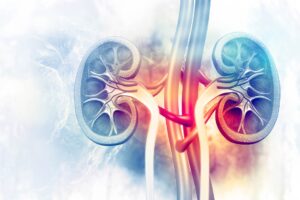
Researchers have isolated three gut microbiota strains that work together to consume waste products from protein metabolism and recycle them into amino acids with no toxic buildup of ammonia.
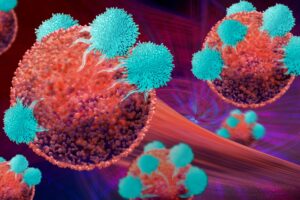
A new study published in Science claims that some gut microbes produce a metabolite that boosts the effect of a class of cancer drugs.

A new study published in Cell suggests that the gut microbiota of infants born by C-section can be restored by transferring fecal microbiota from their mothers.
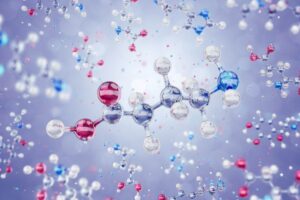
Strains of a particular microbe could boost the production of GABA—a neurotransmitter that plays a key role in anxiety and depression disorders.
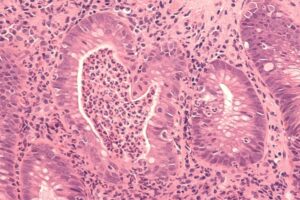
Researchers have found that disrupting the microbiota-gut axis by altering circadian rhythms or diet can drive Crohn-like inflammation of the intestine in mice.
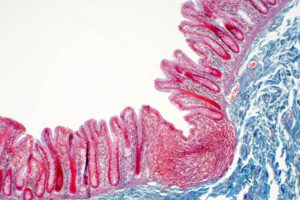
A gut microbiota-modulated neural pathway can regulate blood sugar independently from the central nervous system, a new study pubblished in Science claims.
Fecal microbial transplant could be a promising treatment for intestinal graft-versus-host disease caused by stem cell transplantation.
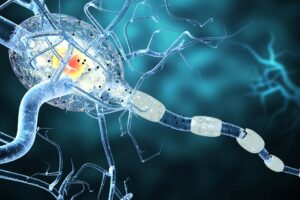
A new study published in Nature found that a specific combination of gut microbes can worsen the symptoms of multiple sclerosis in mice.
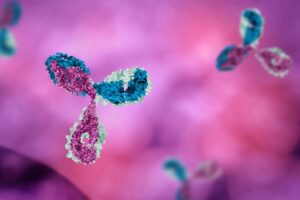
The gut microbiota can shape our antibodies before we encounter a disease-causing microbe, a new study published in Nature has found.
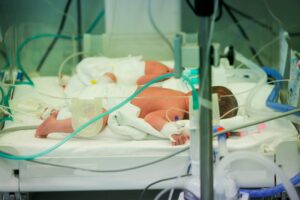
Researchers have found that giving preterm babies probiotics can help to improve the gut microbiota and displace harmful bacteria.

A new study suggests that 24-hour changes in the gut microbiota could help to predict who’s at risk of developing type 2 diabetes.
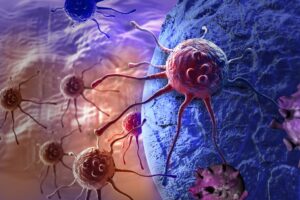
A metabolite produced by the gut microbiota increases the risk of colon cancer in mice prone to the disease, a new study has found.

Gut microbiota could make the anti-diabetic drug metformin less effective, researchers from the University of Gothenburg have found.