
The findings highlight TnAse producing gut microbiota, indole, and AhR as promising therapeutic targets for IBS-associated affective disturbances.
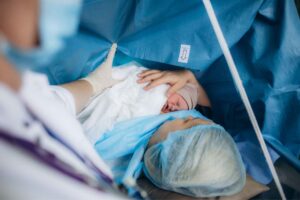
Early interventions targeting the infant gut microbiota, especially in babies born by C-section, may reduce the probability of neurodevelopmental conditions such as autism.
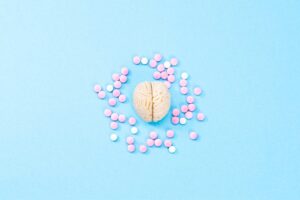
Targeting the gut microbiota-ergothioneine pathway may offer a new way to prevent or treat cognitive side effects of antipsychotic drugs.

Supplementing creatine alongside specific gut bacteria such as Bifidobacterium could offer a treatment for depression by restoring brain energy metabolism.
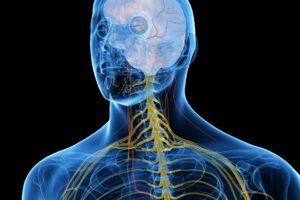
Maintaining a healthy gut barrier and microbiota, through diet or other interventions, could help prevent bacteria from reaching the brain, helping maintain neurological health.
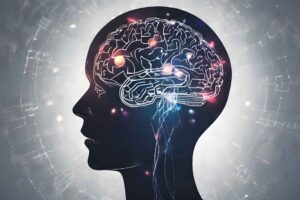
Targeting gut bacteria, their metabolites, or gut-to-brain signaling could offer new strategies to prevent or treat age-related memory decline.

The team developed a machine-learning model using 34 metabolites that could reliably identify depressed individuals.

Mechanisms involve medium-chain fatty acids, inflammatory activation of macrophages, reduced vagal signalling, and lower hippocampal activation.

Some bacteria common in dog owners, particularly Streptococcus strains, were linked to fewer behavioral and attention problems.

Future studies should have clearly defined hypotheses, adequate sample size, standardized protocols, and replication using multiple independent approaches.