
Reducing dietary fat or controlling gut inflammation could help preserve immune cells and protect gut immunity, offering a strategy to prevent diet-related gut diseases.

Gut microbiota, immunity and diet: twenty years of research and the future of personalized nutrition
Francisco Guarner, from Centro Médico Teknon in Barcelona (Spain), discussed the most recent researches in the field of microbiome and nutrition.

Diet shapes probiotic colonization, offering strategies to improve colonization, modulate the microbiota, and control harmful microbes.

Ivana Gandolfi, International Diary Federation, describes the emerging concept of the food matrix.
Azelaic acid travels from the gut to the lungs, where it activates immune cells to reduce inflammation and protect the lungs.

Piergiorgio Natali (Mediterranean Task force for Cancer Control) discusses the importance of improving functional foods as a strategy to support health, particularly during aging.

Dietary protein influences V. cholerae growth, metabolism, virulence, and competition with gut microbes.

Probiotics protect against obesity and inflammation caused by high sugar intake, supporting their use as a preventive strategy for obesity-related diabetes.

Calcium ions affect the growth of both L. acidophilus ATCC 4356 and L. plantarum ATCC 14917, despite some differences.
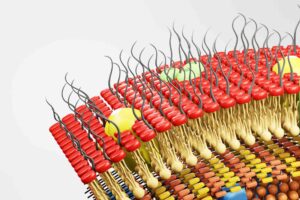
Dietary LPS can mimic microbial signals and drive gut immune development, with early-life being a critical window for shaping gut immunity.