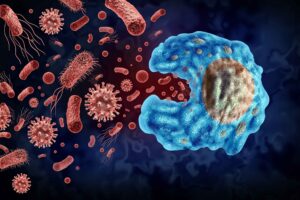
Tumor microbiotas appear mainly in cancers of the mouth and digestive tract.
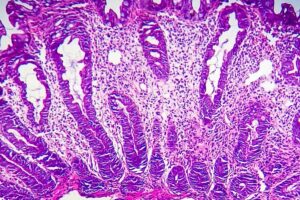
Monitoring or reshaping the gut microbiota after adenoma removal could become part of future strategies to reduce colorectal cancer risk.
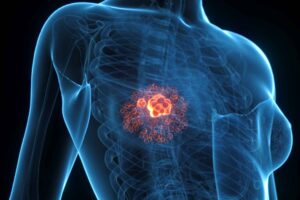
Targeting deoxycholic acid (DCA)-producing gut bacteria could be a way to slow breast cancer progression.

Maria Rescigno presents a preclinical study investigating a non-absorbable antibiotic with eubiotic properties in a mouse model of gastrointestinal toxicity induced by the chemotherapeutic agent 5-fluorouracil (5-FU).
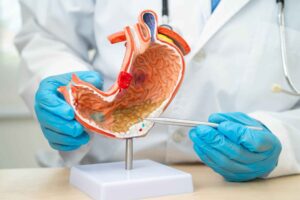
Microbes migrating from the mouth to the gut may play a role in gastric cancer and could become targets for diagnosis or treatment.
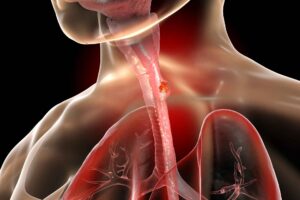
Lactobacillus salivarius can make cancer immunotherapy less effective by producing indole-3-lactic acid (ILA), that weakens the body’s anti-tumor immune response.
The presence of certain microbes was associated with major shifts in tumor gene activity and the immune environment around the cancer.
Targeting specific bacterial strains, rather than overall gut diversity, can help develop effective microbiota therapies.
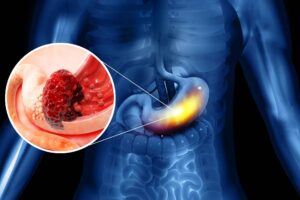
Bacterial extracellular vesicles released by L. salivarius activate immune cells, boosting the effectiveness of immunotherapy in stomach cancer.

Giulia Collattuzzo, University of Bologna, presents study findings showing an independent protective association between dietary fiber and gastric cancer risk, with consistent effects across sex, tumor location, and histological subtype.