Researchers have found that the development of liver cancer can be associated with alterations of the gut microbiota.

A study published in Science Advances suggests that optimizing the gut microbiota can inhibit the development of Alzheimer’s disease.

A new study, published in Cell Metabolism, identified a microbial signature that is able to diagnose cirrhosis in people.
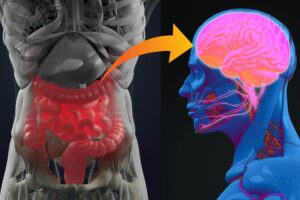
A study published in Nature could help to determine how intestinal motility is regulated and understand systemic disorders related to the gut-brain axis.
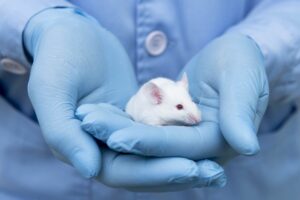
A new study assessed that transplantation of human microbiota into mice durably reshapes the gut microbial community.

To examine the link between autism and gut microbes, researchers led by Anne Konkle at the University of Ottawa analyzed the recent scientific literature.
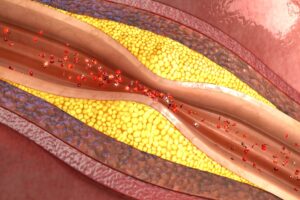
Researchers have developed molecules that remodel the gut microbiota to a healthier state, reducing cholesterol levels and inhibiting atherosclerosis.

PharmaBiome has developed unique technologies to access the entire range of intestinal bacteria. We met Christophe Lacroix, Founder of Pharmabiome.
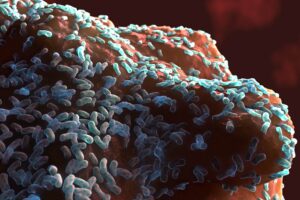
Researchers have developed an approach that uses bacterial biofilms to increase the ability of the gut microbiota to survive and reside in the gastrointestinal tract.
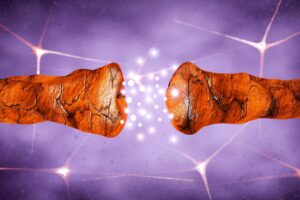
A japanese team identified bacterial populations that may determine intestinal pathology and influence the development of Parkinson's disease.
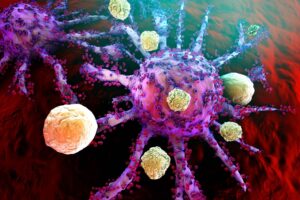
Researchers have found that the gut microbiota and the death of intestinal cells caused by chemotherapy can enhance the immune response of people with colon cancer.

Researchers have found that the community of bacteria in a person’s gut can alter how well they metabolize drugs.
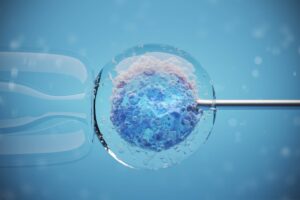
Researchers have found that alterations of the vaginal microbiota are associated with the success of in-vitro fertilization.

We discussed the role of the microbiome in HPV-positive head and neck cancer patients with Marc Oliva Bernal (Institut Català d’Oncologia, Spain).
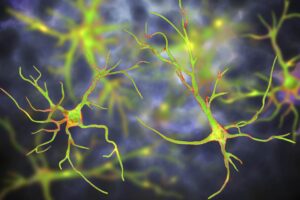
In mice with a genetic mutation linked to ALS, altering the gut microbiota could prevent or improve disease symptoms, a study published in Nature has found.
A study published in Nature revealed that immune-regulating bacteria are lost when transplanting microbiota from humans to laboratory mice and that the established human microbiota results in a weak stimulation…