
Reducing TIP60 in the liver of obese mice reduced intestinal fat absorption. It also lowered uric acid, increased the levels of L. johnsonii, improved blood sugar levels, and reduced liver…

Travelling with researchers through southern Italy, Percorsi nel Gusto 2026 connected the science of the gut microbiome with the farms, food traditions and communities behind a dietary pattern too often…

UCLA’s Lisa Chang explores differences in bowel habits, intestinal transit and pain, discussing how these factors relate to microbial composition and function.
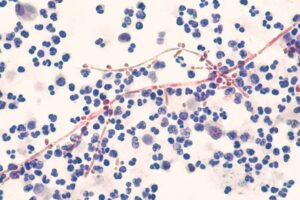
Microbiota-targeted approaches that boost specific SCFAs could help prevent harmful Candida overgrowth in vulnerable people.
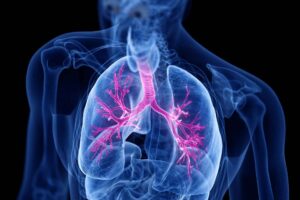
Targeting TLR5 could offer a new way to treat or prevent IPF by correcting harmful lung microbiota changes after injury.

Lukas Michaja Balsiger, KU Leuven, discusses findings linking upper abdominal bloating more closely to functional dyspepsia and lower abdominal bloating to irritable bowel syndrome (IBS).
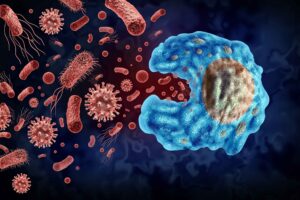
Tumor microbiotas appear mainly in cancers of the mouth and digestive tract.

Diabetes prevention needs to account for diet-microbiota interactions, because some gut microbes appear to predict diabetes risk differently depending on fiber intake.

William Fusco, Policlinico Gemelli, discusses the gut fermentation syndrome, a rare condition arising when ethanol-producing bacteria or fungi in the gut generate excessive amounts of alcohol from dietary carbohydrates.
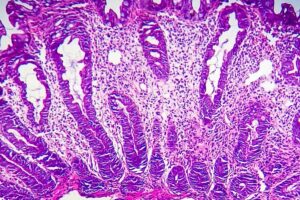
Monitoring or reshaping the gut microbiota after adenoma removal could become part of future strategies to reduce colorectal cancer risk.

Repeated head impacts, even if minor, can have biological effects.

Guy Boeckxstaens of KU Leuven explains how mast cells may alter pain signalling through IgE dependent responses to food antigens and activation of the MRGPRX2 receptor.

The results may inform programs to preserve microbial diversity while delivering essential care.
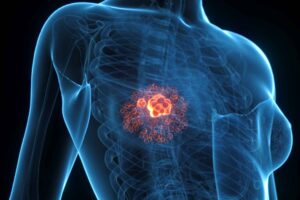
Targeting deoxycholic acid (DCA)-producing gut bacteria could be a way to slow breast cancer progression.

Nathalie Vergnolle (Inserm, France) discussed the potential role of proteases in altering the intestinal mucus layer in irritable bowel syndrome (IBS).
Microbiota-derived molecules such as IPA may offer a way to strengthen early-life immunity against respiratory viruses.

Monitoring the gut microbiota could in the future help understand, diagnose, or manage Sjögren syndrome.
William Fusco, gastroenterologist at Gemelli University Hospital in Rome, discusses the role of peppermint oil in the management of disorders of gut–brain interaction.
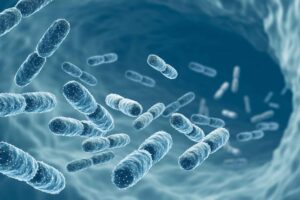
Microbial communities may be engineered at the protein-expression level because bacteria adjust their protein production in response to specific neighbors.

Sangeribacter muris KT1-3 made sepsis deadlier by amplifying inflammation driven by TLR4.