
Researchers at North Carolina State University have underlined the evolutionary interplay between microbiomes development and human social structures.
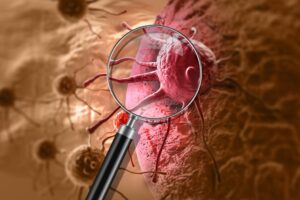
According to a new study published in the journal Microbiome, cancer treatment outcomes can be modulated by the levels of specific gut bacteria.

Rémy Burcelin explains how understanding the link between gut microbiota, metabolic syndrome and cancer could be useful from a therapeutic point of view.
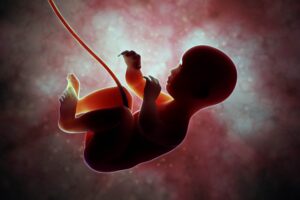
A new study shows that viable bacteria are highly limited in utero, although have capacity to limit inflammatory potential of fetal intestinal T cells.

A new study shows that breast milk can be protective against viral infections by reducing the accumulation of potentially harmful human viruses.

A study, published in Cell Host & Microbe, suggests why undernourished people may be more susceptible to intestinal infections than healthy individuals.
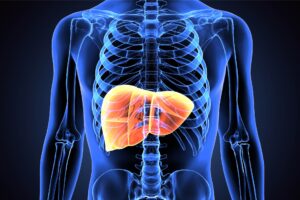
A study published in Cell Metabolism shows that the gut microbiota can act at a distance to protect against liver damage.
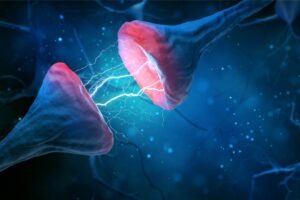
Researchers have identified new bacterial molecules that are able to travel to the brain and inhibit brain cell function.

A new study (The Lancet Respiratory Medicine) suggests that the decrease in the incidence of childhood asthma is a consequence of reduced antibiotic use.
Cancer-associated microbial signatures in the blood could help to detect the disease at its early stage, a study published in Nature has found.