
We discussed the role of the microbiome in HPV-positive head and neck cancer patients with Marc Oliva Bernal (Institut Català d’Oncologia, Spain).
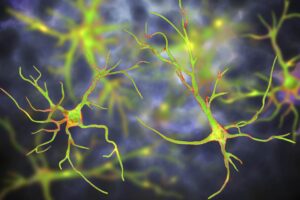
In mice with a genetic mutation linked to ALS, altering the gut microbiota could prevent or improve disease symptoms, a study published in Nature has found.
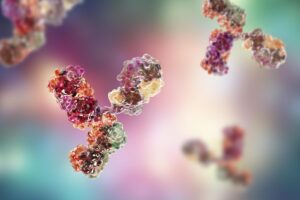
A study published in Nature revealed that immune-regulating bacteria are lost when transplanting microbiota from humans to laboratory mice and that the established human microbiota results in a weak stimulation…

Does the microbiota contribute to breast cancer development? We asked this question to Sridhar Mani, from the Albert Einstein College of Medicine in New York (USA).
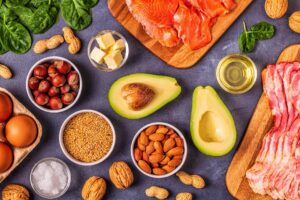
A new study, published in Cell, suggests that ketogenic diets could be used as a therapy for autoimmune disorders of the gut.

Fermented foods such as yoghurt and cheese could be a source of health-promoting bacteria, according to a new study.
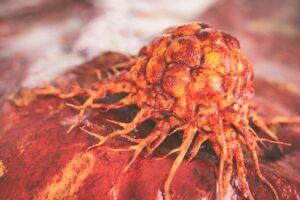
Researchers developed a new tool to modulate the gut microbiota for neutralizing the tumor-promoting microenvironment.
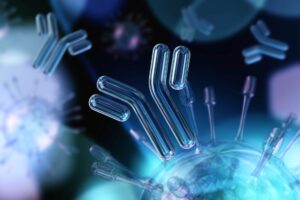
A. Macpherson et al. reviewed studies that looked at the interaction between the gut microbiota and their mammalian hosts, from fetal development to the early postnatal period.
Obese people have a gut microbiota that is associated with inflammation. But those who take statins have a healthier gut microbiota, a new study (Nature) found.
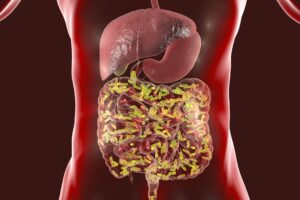
A new study, published in Nature Medicine, suggests that changes to the microbial community in the gut could influence nutrient metabolism.