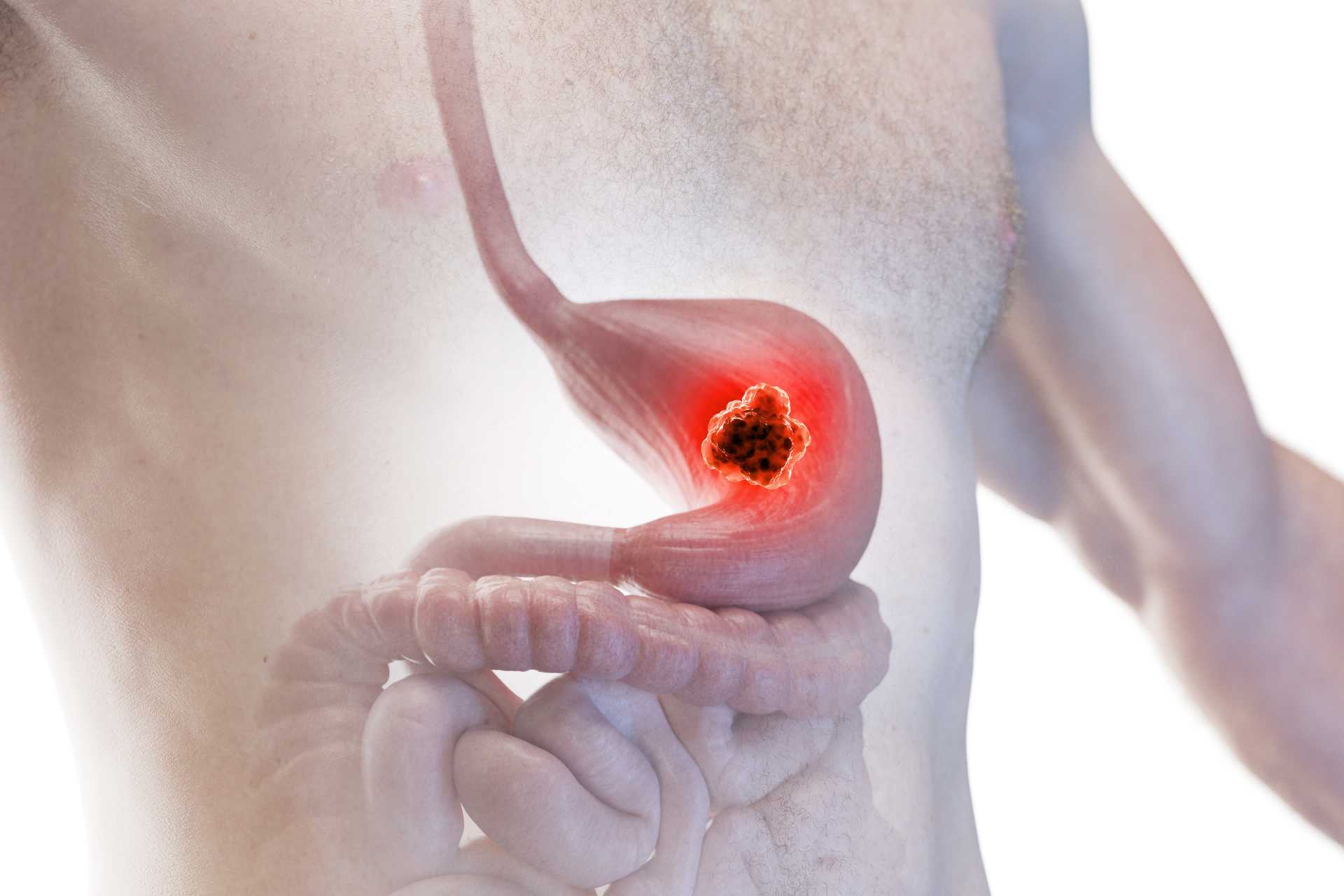
Helicobacter pylori is a common stomach bacterium that can cause long-term inflammation and is a major risk factor for gastric cancer. Now, a new study suggests that a stable stomach bacterial network forms in childhood, and that losing its protective members—especially after H. pylori infection—is linked to ulcers and gastric cancer risk.
The findings, published in Cell Reports Medicine, suggest that assessing the balance of the stomach microbiota could help predict gastric disease beyond testing for H. pylori alone.
The stomach was once thought to be too acidic to support microbial life, but sequencing studies have shown that it hosts a diverse bacterial community. Although H. pylori is a major cause of ulcers and gastric cancer, most infected people never develop cancer, and some risk remains even after the bacterium is eradicated.
To investigate whether disease may depend on the disruption of the wider stomach microbiota, researchers led by Weidong Huang at Fujian Medical University in Fuzhou, China, collected gastric brushing samples from 255 children undergoing endoscopy. They then mapped how microbes occurred together.
Bacterial signature
The team identified a stable bacterial network with two opposing groups: CST1A and CST1B. CST1A was associated with healthier blood markers and fewer ulcers, while CST1B was associated with disease.
The two bacterial groups also appeared to have different functions. CST1A was linked to bacterial movement and fatty-acid breakdown, while CST1B was linked to cell-wall production and sugar metabolism.
Helicobacter pylori disrupted the CST1A-to-CST1B balance by suppressing CST1A. Stomach ulcers were linked to lower levels of CST1A bacteria and a reduced CST1A-to-CST1B ratio, regardless of H. pylori status. In mice and cells grown in the laboratory, one CST1A bacterium—Achromobacter spanius—reduced stomach-cell inflammation and tissue injury, the researchers found.
Gastric dysbiosis
The same microbial pattern appeared in eight independent datasets involving ulcers, precancerous stomach changes and gastric cancer. CST1B was consistently associated with higher disease risk, while CST1A was generally linked to lower risk. However, CST1A was detected less consistently outside Asia.
Across these datasets, the bacterial signature helped distinguish ulcers, precancerous changes, and gastric cancer better than H. pylori alone, the researchers found.
The work suggests that two opposing groups of stomach bacteria, CST1A and CST1B, form a stable community that is maintained over time. The findings, the authors say, “support a network-imbalance framework for interpreting gastric microbial dysbiosis, particularly in H. pylori-negative contexts.”
 Latest related content