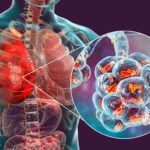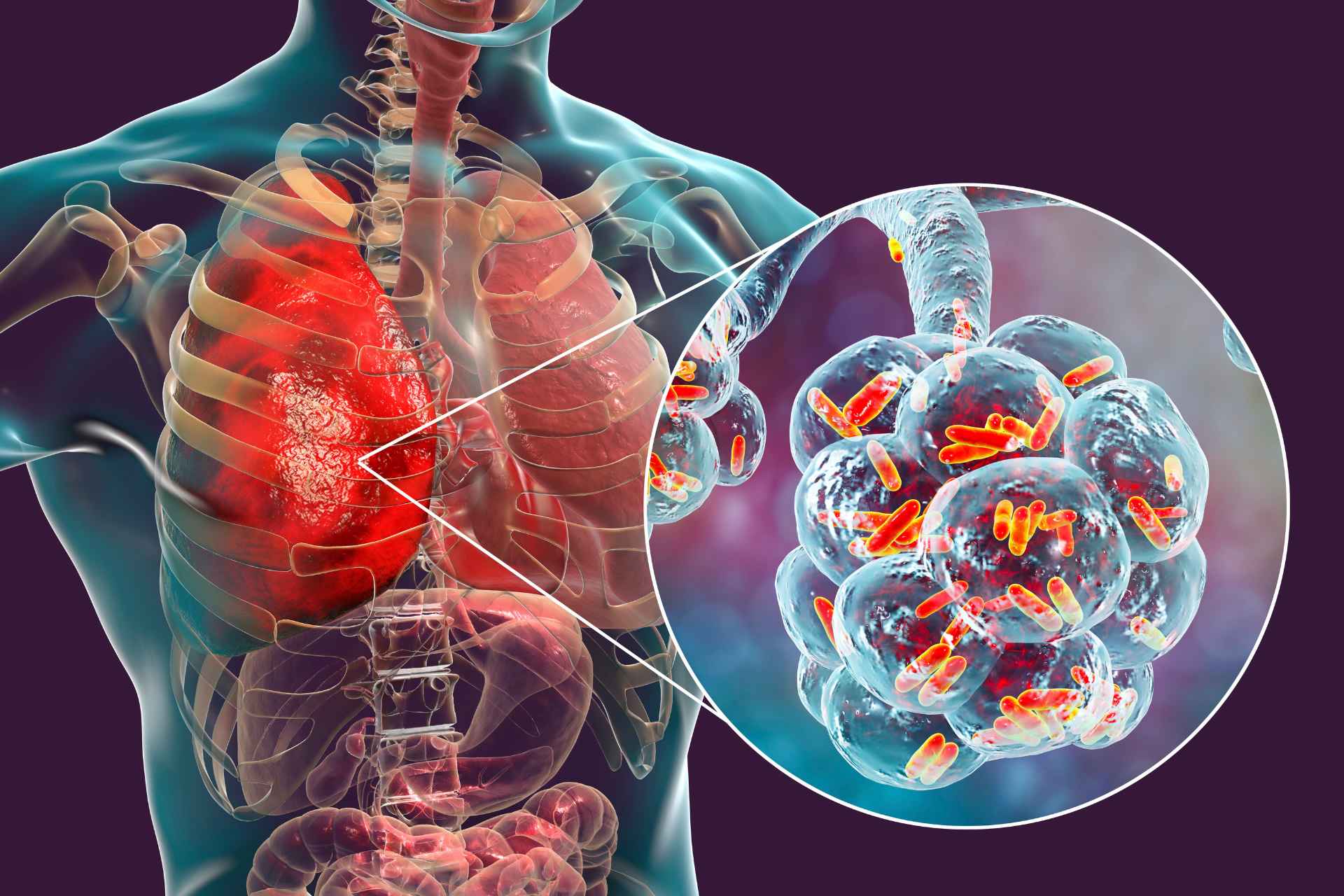
Critically ill patients with a condition called systemic inflammatory response syndrome (SIRS) are at high risk of hospital-acquired pneumonia and other respiratory complications. Now, researchers have identified a network linking lung microbes, circulating metabolites, and immune cells that may help classify patients’ risk.
The findings, published in Cell Reports Medicine, suggest that combining immune, metabolic, and lung microbiota markers could help identify critically ill patients at greatest risk of pneumonia.
Previous research has linked changes in the lung microbiota to pneumonia severity, but it has been unclear how lung microbes interact with immune cells and metabolism during critical illness.
So, researchers led by Debajyoti Sinha at Nantes University in France analyzed lung and blood samples from 157 critically ill patients.
Disrupted ecosystem
The team found that the lung microbiota, blood metabolites, and immune cells changed during critical illness, and some of these changes differed between patients who developed pneumonia and those who did not.
Poor clinical outcomes were linked to altered trafficking of immune B and T cells, increased abundance of anaerobic bacteria, and reduced production of beneficial fatty acids. Patients with the most severe version of this pattern were more likely to develop hospital-acquired pneumonia and were less likely to survive.
The findings suggest that respiratory complications may not arise from microbial overgrowth alone, the authors say. Instead, they add, they may reflect a broader loss of coordination between the host and their microbiota.
Predicting response
Based on the observed patterns, the researchers developed a four-factor classification tool, which uses the abundance and activity of three immune-cell populations, together with the blood level of a metabolite called acetyl tributyl citrate, to categorize disruption of host-microbiota interactions as moderate or severe.
The score accurately distinguished patients with severe versus moderate disruption of host-lung microbiota interactions and may also help predict response to treatment with interferon-gamma, which appeared beneficial in people with severe disruption but potentially harmful in those with moderate disruption. However, the score performed less accurately in an independent group of 108 critically ill patients.
Although larger studies are needed to confirm the findings, the authors say, “our study supports the concept of the host-respiratory microbiome as a dynamic metasystem, in which specific alterations are associated with pneumonia and responses to interferon-gamma treatment.”
 Latest related content