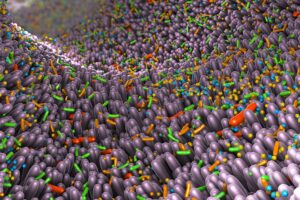
The evolutionary history of the human microbiota could help to understand the role of present-day gut microbes in health and disease.

Gut bacteria from people in industrialized countries exchange genes at much higher rates than bacteria from people living in non-industrialized societies.
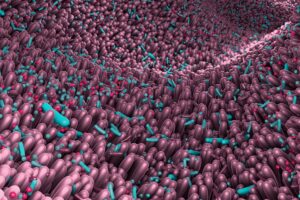
The microbial communities inhabiting the gut have been shown to change in ways that influence the development of disease through blood metabolites.
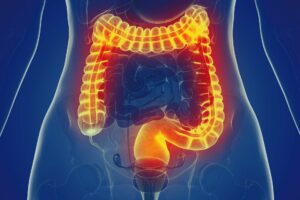
Immune responses to the gut microbiota can be used as biomarkers of clinical course in IBD or as targets for the treatment or prevention of the condition.
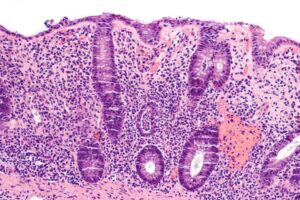
A two-pronged treatment strategy — consisting of an engineered peptide and an FDA-approved drug — could help to reduce gut inflammation.
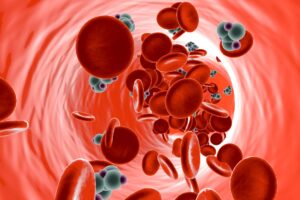
Diets high in fat and sugar cause colon inflammation by disrupting the gut microbiota. A study published in Science Translational Medicine claims.
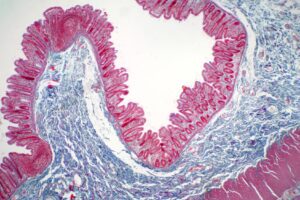
Cells in the gut sense commensal microbes through receptors that trigger the production of inflammatory molecules and the activation of the immune system.