
The findings of a new study reveal a microbe-immune axis that is disrupted in pregnant animals, suggesting potential therapeutic approaches for pregnancy-associated sepsis.

The findings of a new study suggest that a newborn’s lung immunity is influenced by the interplay between maternal γδ T cells, the gut microbiota and microbial-derived SCFAs.
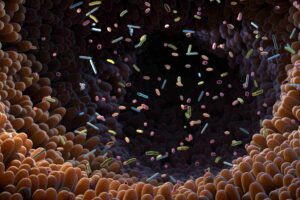
The immune system tolerates flagellins of commensal bacteria while mounting an immune response against flagellins produced by pathogens.

A supplement of LGG would seem to favour the proliferation of Bifidobacterium and the improvement of clinical and immunological response to childhood cystic fibrosis.
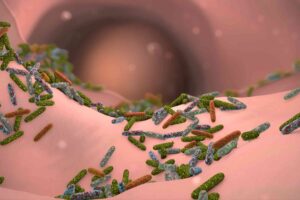
Researchers have developed a new technique that can identify which gut microbes have migrated from the gut to the blood.
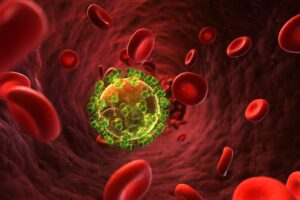
the microbiota plays a key role in the resolution of inflammation and the recovery of immunity after HIV treatment. A new study published in Cell claims.

Specific food dyes are environmental risk factors for colitis development in conditions where IL-23 expression is dysregulated.

A new study published in Cell Host & Microbe could pave the way for using phages as biomarkers for the condition of rheumatoid arthritis.
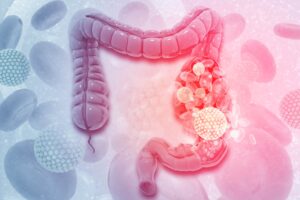
The alterations in gut microbiota composition observed in mice lacking TAK1 can generate a protective immunity against colitis and colorectal cancer.
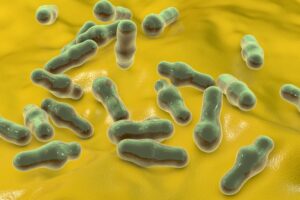
Fatty acid amides produced by Clostridia can help the bacteria to modulate their host by mimicking human signaling molecules.