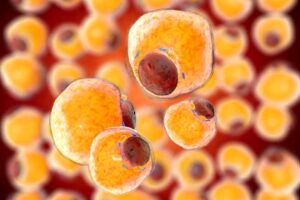
P. distasonis can alleviate obesity and reduce obesity-related abnormalities. That’s the conclusion of a cinese study published in Cell Reports.

In precision cancer care, the microbiota cannot be put aside. We talked about this with James Kinross from the Imperial College London.
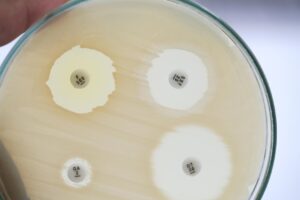
In order to manage antimicrobial resistance and enhance immune responses against pathogens, a duo of scientists proposes to turn to the gut microbiota.

The intestinal microbiome of healthy children plays a protective role against food allergies, a study published in Nature Medicine concludes.
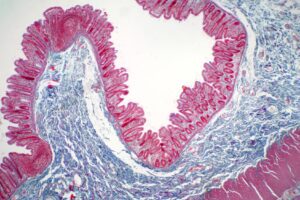
Cells in the gut sense commensal microbes through receptors that trigger the production of inflammatory molecules and the activation of the immune system.

The gut microbiota can be useful to distinguish between IBD and IBS. That's according to a study published in Science Translational Medicine.
A low-calorie, low-protein diet could help reduce the inflammation associated with IBD. That’s according to a study published in Cell Reports.

Antonio Gasbarrini from the Gemelli Hospital in Rome explains how the modulation of the intestinal microbiota is entering medicine.
A commensal Lactobacillus strain worsens the symptoms of systemic lupus erythematosus and triggers the host's immune system.
According to a study published in Science, some microbiota bacteria prevent immune activation by communicating with intestinal cells.