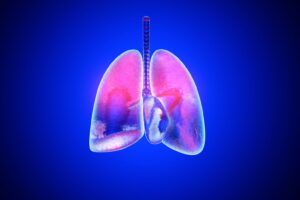
A team of scientists of the Monash University in Melbourne reviewed the role of the lung and gut microbiota in respiratory health and disease.

An Italian study carried out at the University of Bologna investigated the relationship between longevity and the microbiota. We discussed it with Professor Patrizia Brigidi, coordinator of the project.
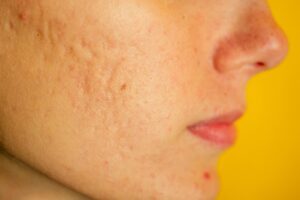
Researchers at the University of Debrecen proposed that acne is caused by a transient inflammatory interaction of teenager facial skin with its microbiota.
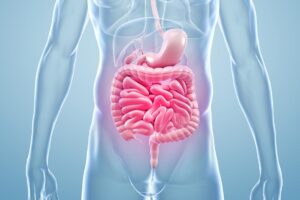
Interesting results on the effectiveness of FMT in IBS and on the effects of diet and drugs on the gut microbiota composition and functionality were presented at the UEG 2019…
Disrupting the gut microbiota with antibiotics could affect the immune response to flu vaccination, according to a new study published in Cell.
Researchers developed a rapid method to investigate how diet, drugs and the microbiota interact to influence host health.
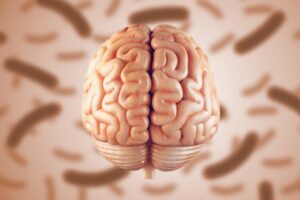
John Cryan at the UCC Ireland and his colleagues reviewed the current knowledge of the influence that gut bacteria have on brain and behavior.

The skin microbiota could help to identify who’s more at risk of developing childhood eczema through a "skin health indicator", researchers have found.

The vaginal microbiota can reduce a woman’s susceptibility to Chlamydia infections. A new study could lead to new strategies against STIs.
Scientists have discovered thousands of small proteins, which had not been identified previously. The findings, published in Cell, could help drug development.
Obesity, dietary supplements and key medications such as antidiabetics are associated with changes in gut microbiota composition, a recent study claims.
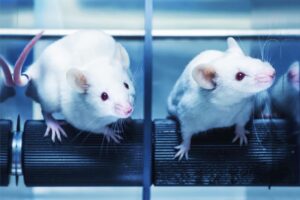
A study published in the journal Science identified a specific class of gut bacteria that prevents mice from becoming obese.
There may be more genes in the gut and oral microbiome than previously thought, a large study of the human microbiome claims.
A study suggests the existence of a link between aging and the gut microbiota. The results may help design probiotic treatments for age-related conditions.
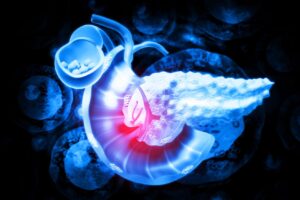
The tumor microbiota could influence the pancreatic cancer survival, the 1st report to explore the effect of tumor bacteria on clinical outcomes claims.
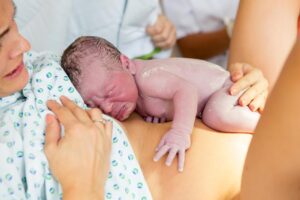
Antibiotics given to mothers during childbirth could alter the infants’ gut microbiota, a new study published in Scientific Reports finds.
The gut microbiota could influence our health by producing metabolites that interact with human receptors, a study published in Cell Host & Microbe claims.
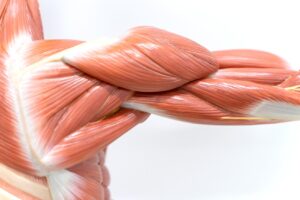
According to a recent study published in Science Translational Medicine, the gut microbiota may influence the development of muscle mass.
People with obesity-related conditions may benefit from supplements of the gut commensal Akkermansia muciniphila, a recent study suggests.

A microbial compound could increase the risk of asthma in children. A study identified the mechanisms that link the microbiota to allergies.