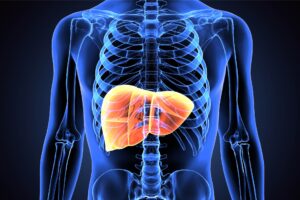
A study published in Cell Metabolism shows that the gut microbiota can act at a distance to protect against liver damage.
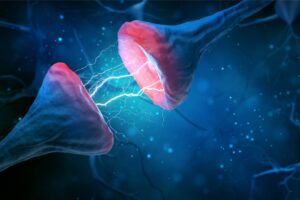
Researchers have identified new bacterial molecules that are able to travel to the brain and inhibit brain cell function.

A new study (The Lancet Respiratory Medicine) suggests that the decrease in the incidence of childhood asthma is a consequence of reduced antibiotic use.
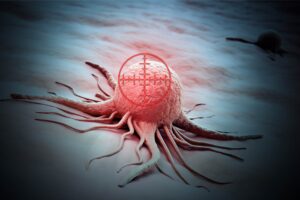
Cancer-associated microbial signatures in the blood could help to detect the disease at its early stage, a study published in Nature has found.
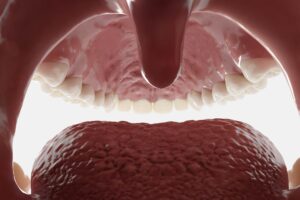
A study published in PLOS Pathogens suggests that the oral microbiota could be used to predict the outcome of hematopoietic stem cell transplants.
Researchers have identified a microbial metabolite linked to events such as heart attack and stroke. The findings could lead to new ways to diagnose, prevent, and treat heart disease.

Radiotherapy against prostate cancer may cause serious intestinal side effects. We discussed the impact of the local microbiota with Miguel Reis Ferreira.
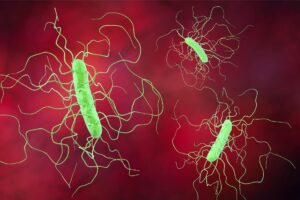
The largest study of fecal microbiota transplant in the UK shows that the procedure can successfully treat patients with C. diff infection.

Researchers at UCC Ireland reviewed current knowledge on the microbiota-gut-brain relationship. Their work is published in Cell Metabolism.

Researchers have found that smoking e-cigarettes changes the community of microbes living in the mouth, making users prone to inflammation and infection.

Researchers at the University of Alabama at Birmingham, showed the existence of shared gut microbial strains in twins, even after years post separation.

The existence of a tumor microbiota have a lot of implications. We discussed this topic with Sandrine Miller-Montgomery (UC San Diego).
A study in mice suggests that short-term intermittent fasting alters the gut microbiota, alleviating the cognitive deficits associated with diabetes.

A study published in Science suggests that a mother's gut microbes shape the metabolism of offspring, conferring resistance to obesity.
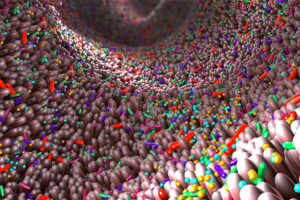
In two articles published in Cell Host & Microbe, scientists discuss some areas of FMT research that could help to develop safe and effective FMT therapies.
A new study, published in Nature Microbiology, sheds light on how gut microbes influence the equilibrium of the gut under healthy and disease conditions.

A new study helps to explain how nerve cells sense the microbes in the gut and how they coordinate their function with other tissues in the digestive tract.

A new study could inspire the use of dietary fibers to manipulate the gut microbiota and its functions, with beneficial effects for health.
A new study published in Nature Microbiology shows that the risk of colonization with C. difficile is highest during recovery from acute diarrhea.

A study suggests that the effects of dietary interventions during pregnancy are mediated by different factors, including the infant airway microbiota.