Scientific News

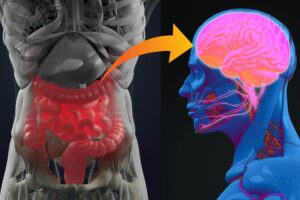
Gut microbes could improve symptoms of neurodegenerative disorder

In mice with a genetic mutation linked to ALS, altering the gut microbiota could prevent or improve disease symptoms, a study published in Nature has found.

Mouse microbiota more powerfully activates the murine immune system compared to human microbiota

A study published in Nature revealed that immune-regulating bacteria are lost when transplanting microbiota from humans to laboratory mice and that the established human microbiota results in a weak stimulation…

The Gut Microbiota: An Emerging Player in Breast Cancer

Does the microbiota contribute to breast cancer development? We asked this question to Sridhar Mani, from the Albert Einstein College of Medicine in New York (USA).

Ketogenic diets could alter the gut microbiota, reduce inflammation

A new study, published in Cell, suggests that ketogenic diets could be used as a therapy for autoimmune disorders of the gut.

Fermented foods could be a source of health-promoting bacteria

Fermented foods such as yoghurt and cheese could be a source of health-promoting bacteria, according to a new study.

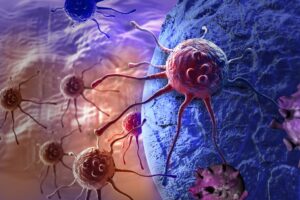
Catalog of tumor microbiotas finds bacteria living inside many cancer cells

Researchers have created a catalog of the bacteria associated with all the cancer types. The findings could help to enhance the actions of anticancer drugs.

Bacterial viruses could modulate the gut microbiota to fight colorectal cancer

Researchers developed a new tool to modulate the gut microbiota for neutralizing the tumor-promoting microenvironment.

How the microbiota shapes the development of the immune system

A. Macpherson et al. reviewed studies that looked at the interaction between the gut microbiota and their mammalian hosts, from fetal development to the early postnatal period.

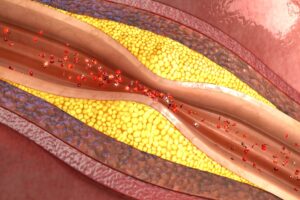
Cholesterol-lowering drugs could influence the gut microbiota in obese people

Obese people have a gut microbiota that is associated with inflammation. But those who take statins have a healthier gut microbiota, a new study (Nature) found.

AGA release new guidelines for taking probiotics

The American Gastroenterological Association (AGA) evaluated available evidence on clinical efficacy of probiotics for most digestive conditions.

Drug halts C. difficile infection, promotes recovery of the microbiota after antibiotic treatment

Ebselen may protect from C. difficile-associated tissue damage and bolster recovery of the microbiota after antibiotic treatment.

Gut microbiota could inhibit the growth of antibiotic-resistant bacteria

A new study shows that interactions with the resident gut microbiota could suppress the proliferation and antibiotic-resistance evolution of superbugs.

How gut bacteria contribute to the development of colorectal cancer

A new study supports the idea that the gut microbiota composition can vary in abundance and function during the development of colorectal cancer.

The path towards microbiota-based therapies

In a commentary published in Cell, five experts discuss the challenges and opportunities of microbiota-based therapies.

Underfeeding and antibiotics alter the gut microbiota and impair nutrient absorption

A new study, published in Nature Medicine, suggests that changes to the microbial community in the gut could influence nutrient metabolism.

Microbes development from old world monkey to human might have influenced social behavior and evolutionary community trends

Researchers at North Carolina State University have underlined the evolutionary interplay between microbiomes development and human social structures.

Gut microbiota composition could predict cancer treatment outcomes

According to a new study published in the journal Microbiome, cancer treatment outcomes can be modulated by the levels of specific gut bacteria.

“There is a strong relationship between gut dysbiosis, metabolic diseases and cancer”

Rémy Burcelin explains how understanding the link between gut microbiota, metabolic syndrome and cancer could be useful from a therapeutic point of view.

Intestinal bacterial burden is controlled in the fetus during human gestation

A new study shows that viable bacteria are highly limited in utero, although have capacity to limit inflammatory potential of fetal intestinal T cells.

Breastfeeding may reduce the number of harmful viruses in the infant gut

A new study shows that breast milk can be protective against viral infections by reducing the accumulation of potentially harmful human viruses.

Subscribe to MicrobiomePost newsletter

Take full advantage of MicrobiomePost‘s features.

Scroll to Top