Hafnia alvei HA4597® produces ClpB, a protein that acts through molecular mimicry of the satiety hormone alpha-MSH and regulates appetite.

A new study published in Cell could help to detect infection outbreaks and study the distribution of antibiotic-resistant microbes in different urban areas.

Cowpea-based foods protect the gut microbiota, helping malnourished children to grow stronger. A new study published in Cell Reports Medicine claims.
Immune cells called group 2 innate lymphoid cells (ILC2s) are responsible for triggering a response when bacteria and viruses breach the skin.

The composition of a baby’s first stool could determine whether children are likely to develop allergies and other conditions later in life.

Specific food dyes are environmental risk factors for colitis development in conditions where IL-23 expression is dysregulated.

A new study published in Cell Host & Microbe claims that the infant gut is home to bacteria that harbor hundreds of antibiotic-resistance genes.

Advisor to the Director General Romano Marabelli presents the role of the World Organisation for Animal Health at this year’s Probiotics, Prebiotics & New Foods conference, to be held in September…

A new study published in Cell Host & Microbe could pave the way for using phages as biomarkers for the condition of rheumatoid arthritis.
The alterations in gut microbiota composition observed in mice lacking TAK1 can generate a protective immunity against colitis and colorectal cancer.
Fatty acid amides produced by Clostridia can help the bacteria to modulate their host by mimicking human signaling molecules.
The evolutionary history of the human microbiota could help to understand the role of present-day gut microbes in health and disease.
Targeted manipulation to promote the microbial diversity could be an important strategy to treat long COVID-19 and speed up recovery.

Several bacteria associated with human health are acquired late in childhood — albeit with different developmental dynamics.

The Integrative Microbiomics tool could potentially delineate subtypes of bronchiectasis and other heterogeneous respiratory diseases.
Gut bacteria from people in industrialized countries exchange genes at much higher rates than bacteria from people living in non-industrialized societies.
The microbial communities inhabiting the gut have been shown to change in ways that influence the development of disease through blood metabolites.

A molecule in breast milk, called betaine, may lower the risk of obesity by preventing accelerated growth in newborns and supporting bacterial species.

Th17 cells and Treg cells, the resident ocular microbiota could potentially trigger and perpetuate inflammation in dry eye disease.
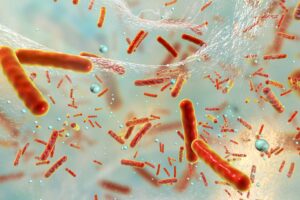
A targeted decontamination could be a strategy to control the spreading of carbapenem-resistance plasmids both amoung patients and within patients.