
New research shows that microbiota diversity appears early in infants from nonindustrial populations and could be traced back to their mothers as well as to the local environment.

The findings of a small clinical trial suggest that probiotic treatment could be used in combination with antidepressant medication to treat clinical depression.

The findings of a new research suggest that IgG in breast milk promotes immunity against intestinal pathogens and shapes the development of the gut microbiota and immune cells in early…
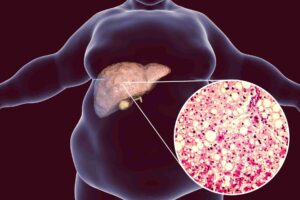
The findings of a new research reveal the microbiota alterations during NAFLD and suggest that gut microbes can be used as an early clinical sign of the condition.
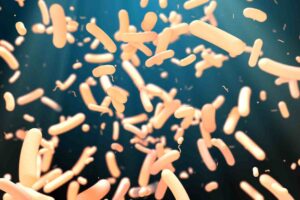
Researchers have found that some microbes involved in inflammatory conditions produced different effects based on their interaction with different host genes and through different pathways.

A human rights activist and a group of anthropologists and human biologists provide suggestions for more inclusive and ethical research practices in microbiome research.

Researchers have found that a metabolite released from gut bacteria contributes to cognitive decline by influencing gene expression in the brain’s resident immune cells.
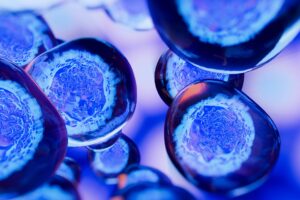
A new study (Science Translational Medicine) suggests a link between microbiota, microbial metabolites and the maintenance of specific immune cells.
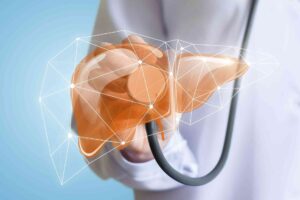
Researchers have found that the gut microbiota could contribute to liver function through the transfer of bacterial sphingolipids to the host’s liver.

A Transdisciplinary Doctoral Programme managed by the University of Naples Federico II through its Task Force on Microbiome Studies.
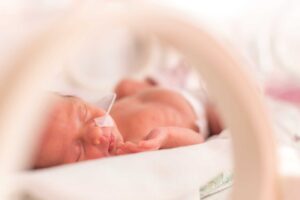
A new clinical trial indicates that Bifidobacterium strains can accelerate microbiota maturation, with positive immunological effects in premature babies.
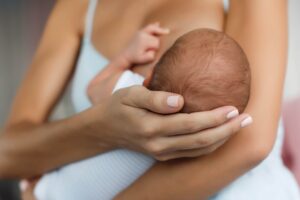
New research suggests that a combination of human milk-derived sugars and the probiotic Bifidobacterium infantis could help manipulate the gut microbiota in ways that may offer therapeutic benefits.
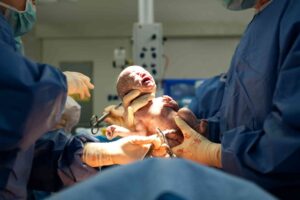
If maternal-child microbial seeding improves health outcomes, it may be a public health strategy that could reduce the prevalence of C-section-associated diseases.
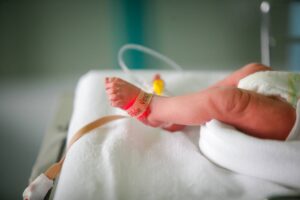
New research highlights how microbial signatures could be used to prevent necrotizing enterocolitis, leading to faster diagnosis.

Together with Prof. Ted Dinan (UCC Ireland) we discuss the link between gut and psychological distress.
New research provides new insights into host-microbiota genetic interactions, shedding light on the role of human genetics on gut microbes.
A new study published in Cell Host & Microbe highlights the association of fibers with the microbiota.
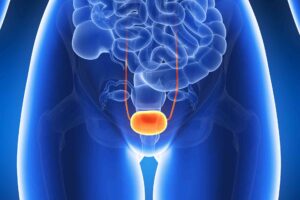
Recurrent UTIs are in part caused by alterations of the gut microbiota and different immune response to bacterial bladder colonization.
New research suggests that hypothalamic neurons use muropeptides as a measure of food intake or of imbalances in the gut microbiota.
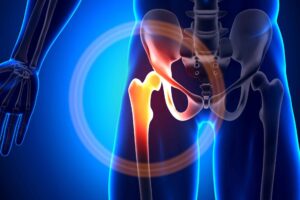
New research suggests that the gut microbiota protects the femoral head through the production of extracellular vesicles.