
Antimicrobial resistant bacteria are present in newborns after just a few hours of life and they help to understand the routes of transmission of antibiotic-resistance genes.
The findings of a new research suggest that different responses to statins can be explained by the variation in the human microbiota.
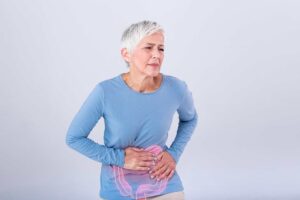
The findings of a new research illuminate the link between IBS and gut bacteria, and suggest that histamine is a good target for therapies against the condition.

The findings of a new research suggest that during the early maturation, the microbiota would be more likely to be influenced by other microbiotas on a not-too-distant level of maturity.

Maria Teresa Abreu (University of Miami, USA) discussed some new strategies to design clinical trials.

Theresa Pizarro, (Case Western Reserve University School of Medicine) discussed the roles of epithelial barrier’s cytokines, gut microbiome and Gasdermin in IBD patients.

The results of a new research done in mice suggest that gut bacteria can regulate host physiology by metabolizing vitamin A.

Probiotic supplements with ethanol-metabolizing activity may help reduce the disease burden of excessive alcohol consumption.

Sudarshen Paramsothy (University of New South Wales, Australia) discussed the controversials about FMT in IBD patients.

New research in mice suggests that two MACs, L-arabinose and sucrose, have specific effects on gut microbes that may prevent diet-induced obesity.

Herbert Tilg (University Innsbruck, Austria) discussed the relationship between Inflammatory Bowel Diseases and gut microbiome.
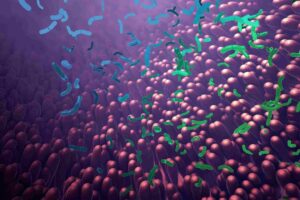
The findings of a new research show that gut bacteria can become harmful over time by gaining the ability to escape the intestine and persist in other organs where they…
The findings of a new research suggest that changes in the microbial composition of people with COVID-19 could be used as a biomarker of invasion of lung pathogens and dysbiosis…

Together with Prof. Ted Dinan (UCC Ireland), in this episode we discuss the link between gut and depression.

Niall Hyland (University College Cork) discussed the research on gut brain axis and the potential role of psychobiotics.
The findings of a new research may inform strategies for treating intestinal diseases by targeting pathogens without killing beneficial gut bacteria.
Researchers at Harvard Medical School propose to “rejuvenate” a person’s microbiota by collecting stool samples for future treatment of diseases that could be managed with fecal microbial transplantation (FMT).
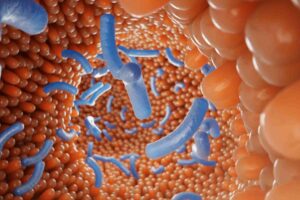
The findings of a recent study suggest that the production of inositol lipids is common in Bacteroidetes and other gut-associated bacteria, and it may be a means of cross-kingdom communication.
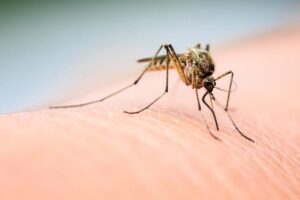
The findings of a recent study suggest that dengue and Zika viruses are able to change their host’s odor by altering the skin microbiota.
New research offers insights into how human gut bacteria recognize sulfated glycans. The findings could help to develop interventions for diseases where sulfated glycan metabolism is altered.