
New research reveals that ocean-derived genes are common in the human microbiota, highlighting the interplay between diet and adaptation of human gut microbes.

Researchers have found that β-carotene modifies the abundance of certain gut microbes and improves the intestinal dysfunctions
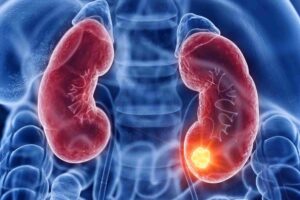
Researchers have found that combining a probiotic product with immunotherapy may boost anti-tumor responses in people with advanced kidney cancer.
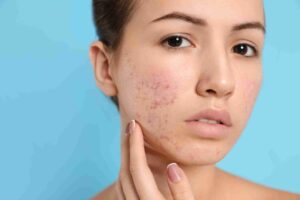
Researchers have found that Lactobacilli could be used to treat common acne lesions, reducing the need for topical antibiotics.
Researchers have found that some gut microbes may be connected to depression, thus highlighting that the intricate relationship between humans and their microbiota could have important health implications.
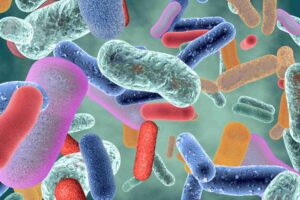
Researchers have now found that the interactions between existing gut commensals sets the odds for whether new microbes are acquired.

Researchers have found that testosterone-degrading enzymes expressed by gut microbes are associated with depressive symptoms.
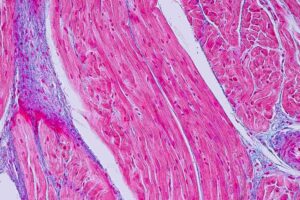
Researchers have found that microbes in the gut of ground squirrels recycle a waste product into building blocks to make proteins, helping the animals to survive a long winter without…
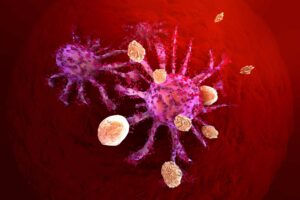
Akkermansia can be used as a biomarker to identify who is likely to respond to treatment with immune checkpoint inhibitors. A new study published in Nature Medicine claims
By combining HiFi with advanced algorithms, the researchers identified the genomes of 428 microbial species with more than 90% completeness.

Early viral encounters are associated with disadvantageous immune and microbiota profiles, as well as recurrent respiratory infections. A new study published in Nature Microbiology claims.
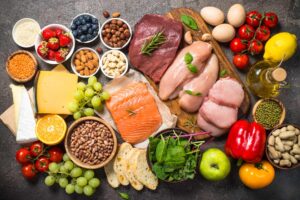
Periodic variations in diet can be important to avoid the fixation of specific mutations and maintain a high genetic diversity in the microbiota.

Seasonal changes in the gut microbiota can influence growth in wild pandas and may explain how these animals compensate for the lack of nutrients in leaf-eating season. A new study…
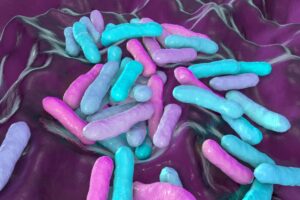
In order to manipulate the human microbiotas to help treat disease, scientists have to gather information about the identities of microbes and their location and arrangement in different body sites.
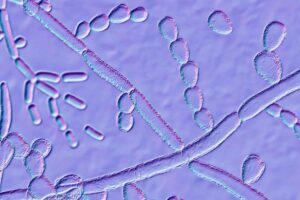
The SMGC allows researchers to classify about 85% of genetic sequences from the skin microbiota. The new study published in Nature Microbiology could offer valuable insights into skin microbiota diversity.
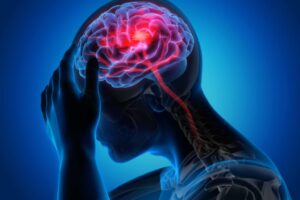
A diet rich in red meat tend seems to increase risk of developing cardiovascular diseases such as heart attack and stroke. A new study published in Nature Microbiology claims.

A high-fiber diet may improve melanoma patients’ response to immunotherapy. A new study published in Science claims.

Antibiotics can alter the skin microbiota and lead to the emergence of antibiotic resistance. A new study published in Science Translational Medicine.
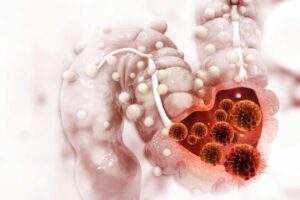
Lactobacillus reuteri can protect against colorectal cancer through reuterin, one of its metabolites. A new study published in Cencer Cell claims
Profiling the bacteria and viruses residing in the human body could help to diagnose different pathogens and develop new targeted interventions.