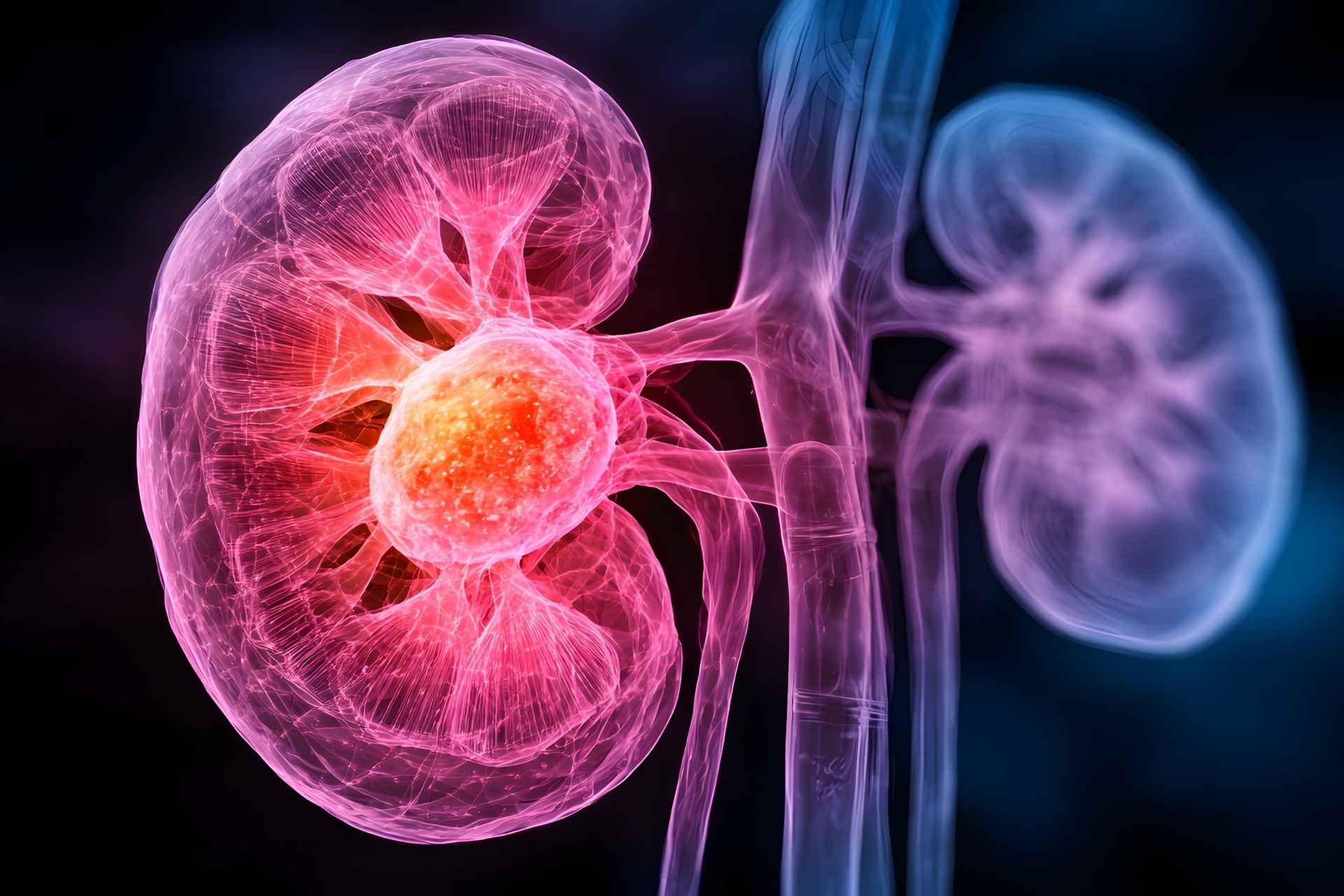
Immune checkpoint inhibitors can improve outcomes in advanced kidney cancer, but most patients still die within five years and many experience serious side effects. Now, a small clinical study showed that modifying the microbiota through a fecal transplant can be safely combined with immunotherapy in people with kidney cancer.
The findings, published in Nature Medicine, suggest that fecal transplants from healthy donors can boost the effectiveness of immunotherapy and protect against severe side effects by shaping a healthy, anti-inflammatory gut microbiota.
Previous research suggests that the gut microbiota influences both response to immunotherapy and toxicity. But while studies indicate that fecal transplants may reduce side effects and improve immunotherapy efficacy, their safety and benefits in kidney cancer remain unclear.
Ricardo Fernandes at Western University in London, Canada, and his colleagues tested whether giving people with kidney cancer a fecal transplant from a healthy donor alongside immune checkpoint therapy is safe and beneficial.
Transplant safety
From 2020 to 2023, the researchers gave 20 people with advanced kidney cancer one full and two half doses of oral fecal transplant capsules, followed by standard immunotherapy.
The fecal transplant itself caused only a mild gut side effect in one participant, while most immune-related side effects came from the anti-cancer therapy. About 85% of patients experienced some immune-related side effects, and half had more serious effects such as colitis or diarrhea.
Following fecal transplant and anti-cancer therapy, 18 patients were evaluated, and half showed tumor shrinkage, including two complete responses. Participants who responded to therapy generally had fewer severe side effects than those who did not respond.
Boosting immunotherapy
The researchers found that specific bacterial species were linked to outcomes. For example, people with diverse, anti-inflammatory gut microbes, such as Faecalibacterium prausnitzii, were protected from severe immune-related toxicities and more likely to respond to therapy. In contrast, high levels of the inflammatory bacterium Segatella copri were linked to toxicity and poor response to immunotherapy.
Specific microbial enzymes linked to inflammation were passed from donors to patients who later developed severe side effects, whereas people receiving microbes lacking these enzymes did not present such toxicities.
This suggests that the functional traits of donor microbes, not just the presence of certain species, play a key role in how well people tolerate therapy and respond to treatment, the authors say. However, they add, “validation in larger, multicenter trials is necessary to refine donor selection, clarify microbiome−immunity mechanisms and confirm these exploratory findings.”
 Latest related content