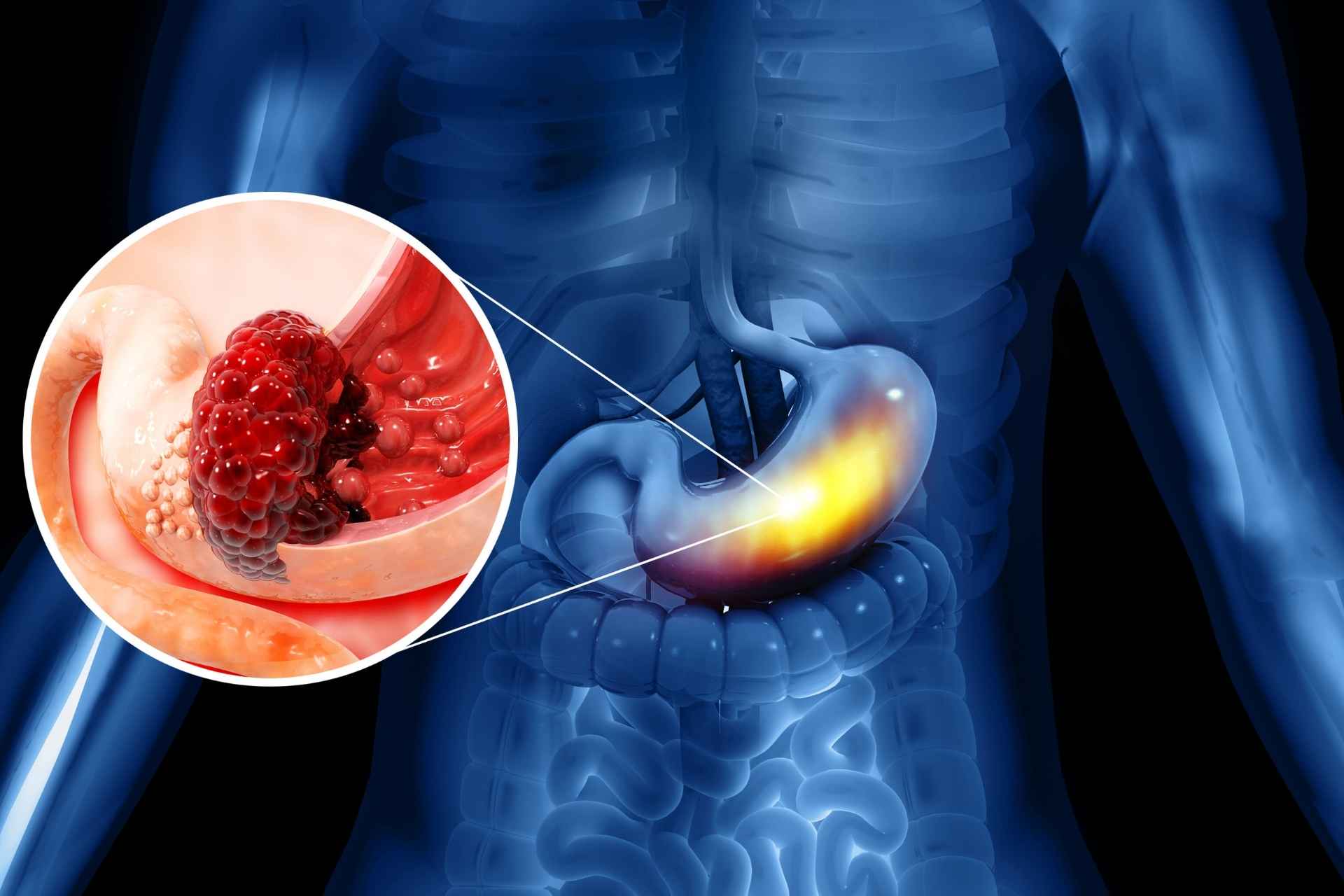
Stomach cancer is aggressive and can come back even after immunotherapy, which helps the immune system fight cancer cells. Now, a new study found that tiny particles released by a gut microbe can boost the effectiveness of immunotherapy in stomach cancer.
The findings, published in Cell Reports Medicine, suggest that these particles can activate specific immune cells and turn them into tumor-fighting cells.
Scientists have known that gut bacteria can help the immune system fight cancer. In particular, previous studies have shown that bacterial extracellular vesicles—tiny particles released by bacteria that carry proteins and other molecules—can activate immune responses. However, their specific role in gastric cancer and their impact on immunotherapy effectiveness are not fully understood.
To find out, researchers led by Xiang Yu at Southern Medical University in Guangzhou, China, studied mice with stomach cancer, human samples, and lab-grown tumor models.
Fighting cancer cells
The researchers examined samples from 68 people with stomach cancer, some of whom had received immunotherapy. They found that a specific gut bacterium, Ligilactobacillus salivarius, is less abundant in tumor tissues compared to healthy stomach tissues, but its levels are higher in people who respond well to immunotherapy.
Giving L. salivarius alone to mice with stomach cancer slightly slowed tumor growth, but when combined with immunotherapy, it dramatically improved outcomes. This effect was linked to L. salivarius boosting key immune cells in the tumor, including CD8+ T cells and pro-inflammatory macrophages, and increasing the activity of molecules that help kill cancer cells.
A specific L. salivarius strain called BNCC367991 strain could reshape the immune environment in stomach tumors and slow cancer growth, the researchers also found. The key agents responsible are bacterial extracellular vesicles, which amplify immune responses through a protein called 2,3-BdpM.
Translational potential
Further experiments in lab-grown tumor models showed that beyond activating immunity, bacterial extracellular vesicles target cancer cells in the stomach by suppressing a protein that is important for tumor cell survival.
Large doses of bacterial extracellular vesicles could also directly kill cancer cells. In mice, L. salivarius, its bacterial extracellular vesicles, or the protein they carry slowed tumor growth, and when combined with immunotherapy, they improved immune-mediated tumor clearance.
“These findings describe a microbial-macrophage axis that enhances [gastric cancer] immunotherapy and highlights the translational potential of orally deliverable microbial adjuvants,” the authors say.
 Latest related content