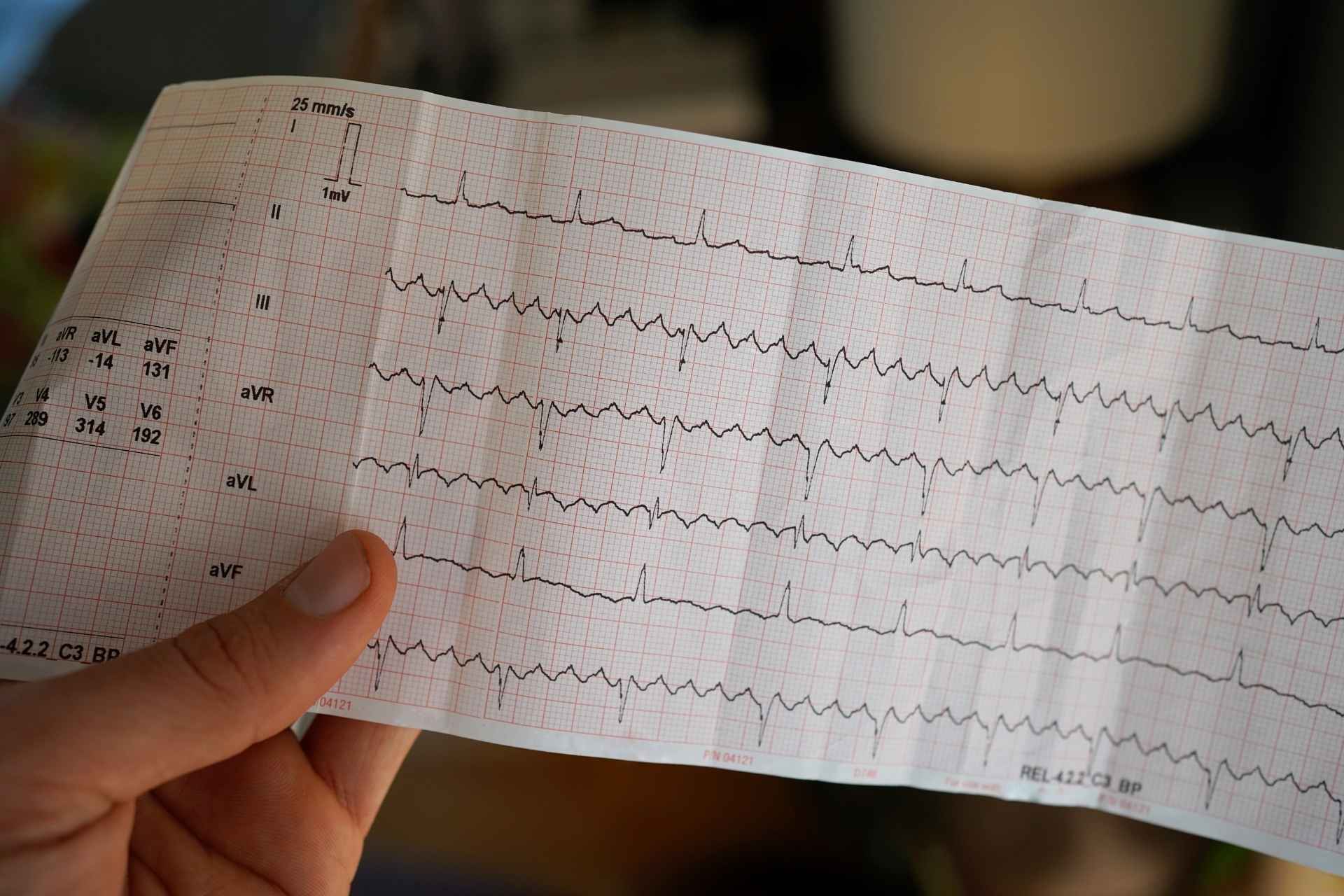
Atrial fibrillation is the most common irregular heartbeat and can lead to serious problems such as stroke and heart weakness. Now, a study in mice has shown that Ruminococcus gnavus, a beneficial gut microbe, helps protect the heart from atrial fibrillation by making a compound called isovaleric acid, which signals heart cells to block harmful inflammation and cell death.
The findings, published in Cell Metabolism, suggest that restoring R. gnavus or supplementing isovaleric acid could be a promising microbiota–based strategy to prevent or treat atrial fibrillation.
Atrial fibrillation has been linked to alterations of the gut microbiota, which produces compounds that affect inflammation and metabolism. However, it’s unclear which specific microbes or metabolites influence atrial fibrillation.
Researchers led by Ning Ding at Xi’an Jiaotong University in Xi’an, China, set out to study the gut bacteria and blood metabolites of people with atrial fibrillation.
Protective effect
Compared with healthy people, those with atrial fibrillation had reduced levels of R. gnavus, which normally helps produce beneficial compounds such as short-chain fatty acids (SCFAs).
One SCFA called isovaleric acid was also lower in people with atrial fibrillation, and lower levels of isovaleric acid were associated with higher inflammation, larger heart size, and greater risk of recurrence of atrial fibrillation after treatment.
Next, the team tested how gut bacteria affect atrial fibrillation using mice grown without microbes, which naturally have higher risk of heart problems. When the gut bacteria of these animals were restored, the heart problems improved. Supplementing mice with R. gnavus reduced atrial fibrillation events, heart tissue scarring, and inflammation.
Preventing atrial fibrillation
Further experiments showed that R. gnavus produces isovaleric acid from the amino acid leucine through a bacterial enzyme called vorC. Isovaleric acid binds to a receptor on heart cells called GPR109A, suppressing a signaling pathway that drives inflammatory cell death.
Giving mice isovaleric acid reduced heart problems and inflammation, the researchers found. In humans, a signaling pathway that triggers inflammatory cell death contributes to atrial fibrillation, and isovaleric acid could suppress this pathway.
Although the study mainly focused on short-chain fatty acids, other metabolites may also be involved in protecting against atrial fibrillation, the authors say. Regardless, they add, “these results reveal that the microbial metabolismof dietary leucine and the production of [isovaleric acid] play pivotal roles in preventing [atrial fibrillation] onset and progression.”
 Latest related content