
Gut microbiota, immunity and diet: twenty years of research and the future of personalized nutrition
Francisco Guarner, from Centro Médico Teknon in Barcelona (Spain), discussed the most recent researches in the field of microbiome and nutrition.
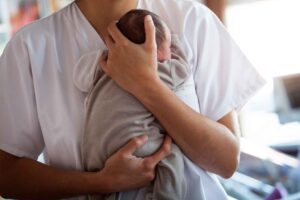
Boosting the gut metabolite indoleacrylic acid (IA), either directly or through the probiotic Bifidobacterium longum subsp. infantis, help protect the gut and prevent NEC.
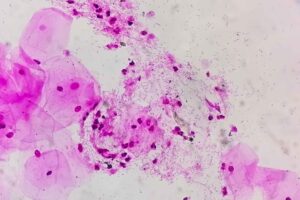
Using probiotics such as LACTIN-V after antibiotic treatment could help prevent bacterial vaginosis, opening the way for tailored treatments based on individual microbiota profiles.
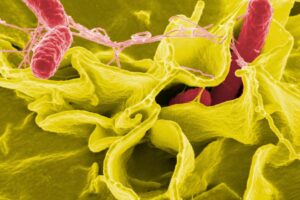
The findings suggest that targeting specific gut microbes or their metabolites could boost fat-burning and metabolism in response to specific diets.
Targeting gut bacteria, their metabolites, or gut-to-brain signaling could offer new strategies to prevent or treat age-related memory decline.

To better define the role of biotics in infant formula, future studies should be specifically designed to assess infection prevention, with adequate sample sizes, harmonised formulations and long-term follow-up.

The question for the next decade is whether healthcare institutions can reorganise around a biology they did not anticipate—one that is relational, systemic, and indifferent to the departmental boundaries medicine…
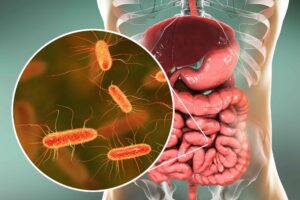
B. luti plays a crucial role in maintaining gut homeostasis, microbial electron transfer and gut health by producing beneficial metabolites and regulating formate and hydrogen levels.
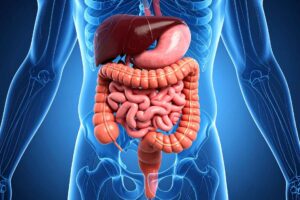
Modulating the gut microbiota could be a new strategy to harness immune cells for treating colorectal cancer.
Gut microbes, through metabolites such as niacin, shape the regional identity and protective functions of colon cells.
The findings suggest that L. salivarius can be a microbiota-based therapy for preventing severe fatty liver disease progression.

Giovanni Barbara (University of Bologna), Congress Chair, reflects on the key takeaways from the congress and shares his closing remarks.
Francisco Guarner, from Centro Médico Teknon in Barcelona, discusses the role of probiotics in the prevention of antibiotic-associated diarrhea.
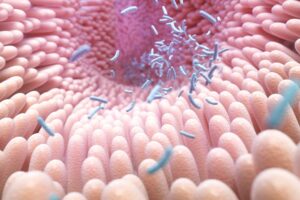
New study suggests that modifying the gut microbiota could shape baseline immune states to improve infection resistance and responses to vaccines and immunotherapies.

Diet shapes probiotic colonization, offering strategies to improve colonization, modulate the microbiota, and control harmful microbes.

Francesco Asnicar, CIBIO - University of Trento (Italy), discusses new large-scale research on the human microbiome, based on the analysis of more than 35,000 individuals from the UK and the…

Monitoring shifts in microbial interaction networks could help to detect and track gut-related conditions.
Bacteria such as Enterococcus faecium and Limosilactobacillus reuteri are key in activating an immune receptor that boosts the activity of protective immune cells.
The longevity industry is measuring everything except what matters most.

Amine Zorgani explains how SwipeBiome moves beyond traditional stool testing toward real-time microbiome prediction based on patient metadata.