
Maria Rescigno presents a preclinical study investigating a non-absorbable antibiotic with eubiotic properties in a mouse model of gastrointestinal toxicity induced by the chemotherapeutic agent 5-fluorouracil (5-FU).

If the soil microbiome is the first link in a chain that terminates in human health, then agricultural policy is health policy.

MOZAIC, an AI model designed to compare donor and recipients microbiotas, predicted the microbiota convergence after FMT with an accuracy of about 80%.

The findings highlight TnAse producing gut microbiota, indole, and AhR as promising therapeutic targets for IBS-associated affective disturbances.

According to Stephen Michael Collins, McMaster University, these vesicles may represent not only a new component of the microbiota–gut–brain axis, but also a promising platform for future targeted drug, vaccine…
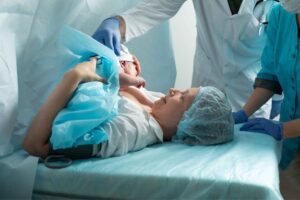
Restoring missing maternal microbes after C-section birth could be a new strategy to support early neurodevelopment.

The work of Angela Sessitsch, Head of Center at Austrian Institute of Technology, shows that environmental pressures such as drought can substantially reshape the plant microbiome.
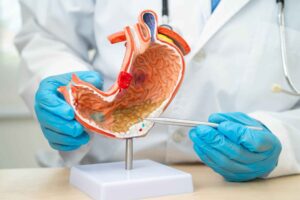
Microbes migrating from the mouth to the gut may play a role in gastric cancer and could become targets for diagnosis or treatment.
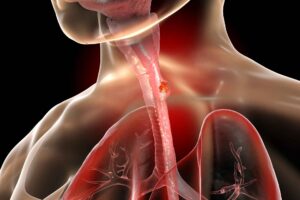
Lactobacillus salivarius can make cancer immunotherapy less effective by producing indole-3-lactic acid (ILA), that weakens the body’s anti-tumor immune response.
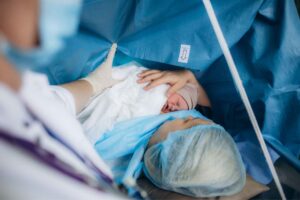
Early interventions targeting the infant gut microbiota, especially in babies born by C-section, may reduce the probability of neurodevelopmental conditions such as autism.
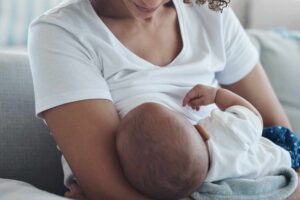
Supplementation with key beneficial bacteria, alongside efforts to reduce breastfeeding barriers, may offer scalable strategies to reduce socioeconomic health disparities.
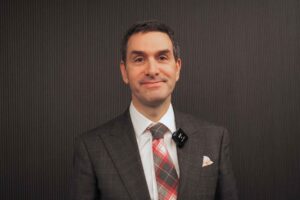
David Suissa, CEO of BYOME LABS, discusses the growing interest in microbiome research, from the gut and vaginal ecosystems to the less explored skin, scalp and oral microbiomes.
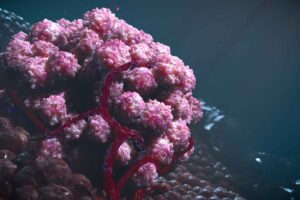
The presence of certain microbes was associated with major shifts in tumor gene activity and the immune environment around the cancer.
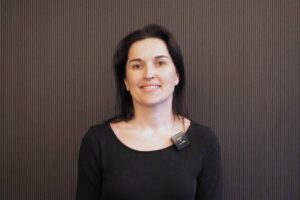
Julie Rodriguez, researcher at Inserm (National Institute of Health and Medical Research, France) explored the main categories of microbiome-based biomarkers and their potential applications in clinical practice.

Targeting the gut microbiota-ergothioneine pathway may offer a new way to prevent or treat cognitive side effects of antipsychotic drugs.

Supplementing creatine alongside specific gut bacteria such as Bifidobacterium could offer a treatment for depression by restoring brain energy metabolism.
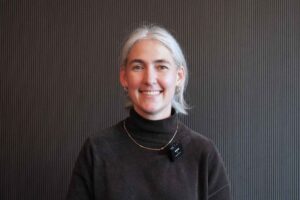
Marta Ciechonska of Salient Bioscience presented the company’s approach to developing standardized, reproducible microbiome tests based on shotgun metagenomic sequencing.

Reducing dietary fat or controlling gut inflammation could help preserve immune cells and protect gut immunity, offering a strategy to prevent diet-related gut diseases.
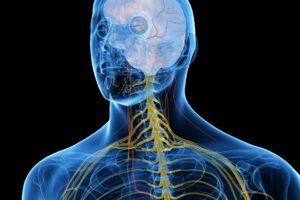
Maintaining a healthy gut barrier and microbiota, through diet or other interventions, could help prevent bacteria from reaching the brain, helping maintain neurological health.

Gut microbiota, immunity and diet: twenty years of research and the future of personalized nutrition
Francisco Guarner, from Centro Médico Teknon in Barcelona (Spain), discussed the most recent researches in the field of microbiome and nutrition.