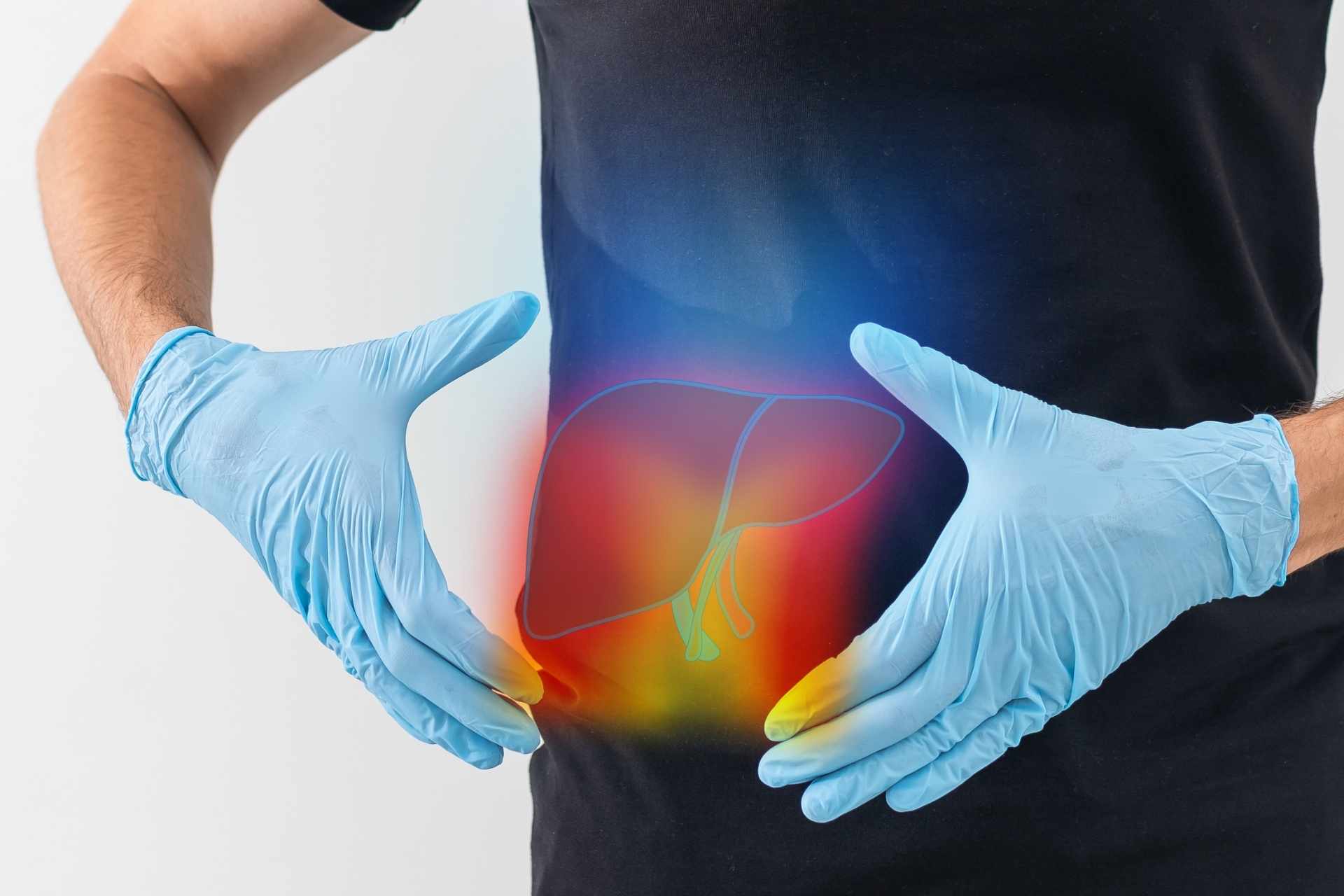
Metabolic dysfunction-associated steatohepatitis (MASH) is a severe form of fatty liver disease marked by liver inflammation, scarring, and risk of cirrhosis or cancer. Now, researchers have found that high sugar intake can worsen fatty liver disease because gut bacteria convert sugar into a toxic compound that damages the liver—but a probiotic bacterium may help prevent this process by breaking the toxin down.
The findings, published in Cell Metabolism, suggest a microbiota-based therapy for preventing severe fatty liver disease progression.
MASH develops from metabolic dysfunction-associated steatotic liver disease (MASLD), which affects about one-third of people worldwide. About 16% of people with MASLD progress to MASH. Progression varies and is influenced by different factors, including lifestyle, diet, and gut bacteria. However, how gut microbes drive the progression from MASLD to MASH remains unclear.
Researchers led by Yajun Tang at Shanghai Jiao Tong University School of Medicine in China set out to investigate whether and how dietary sugar worsens fatty liver disease and drives its progression to MASH.
Toxic compound
The team studied more than 210,000 people and found that a higher intake of dietary sugar—especially fructose—was linked to a greater risk of developing liver disease. Experiments in mice confirmed these findings: animals fed a high-fat diet combined with fructose developed liver scarring and damage much faster than those given fat alone.
When gut microbes were reduced with antibiotics, liver damage largely disappeared, suggesting the microbiota is necessary for disease progression. Analyses of human and mouse gut samples revealed that, as liver disease worsens, gut bacteria shift toward producing more acetaldehyde, an alcohol-related chemical that can damage the liver.
Stool samples from patients with advanced disease produced high levels of acetaldehyde, which were linked to more severe liver fibrosis—excess scar tissue that impairs liver function.
Therapeutic avenue
Further experiments showed that acetaldehyde activates specific liver cells that produce scar tissue and increases a protein called MMP7, which drives fibrosis. However, blocking MMP7 or improving acetaldehyde breakdown reduced liver damage, the researchers found.
The team also identified and engineered a probiotic bacterium, Ligilactobacillus salivarius, that breaks down acetaldehyde. In mice fed a high-fat diet combined with fructose, L. salivarius reduced liver damage and scarring.
“These findings highlight microbiota-targeted modulation of aldehyde metabolism as a promising therapeutic avenue to intercept the transition from MASLD to MASH,” the authors say.
 Latest related content