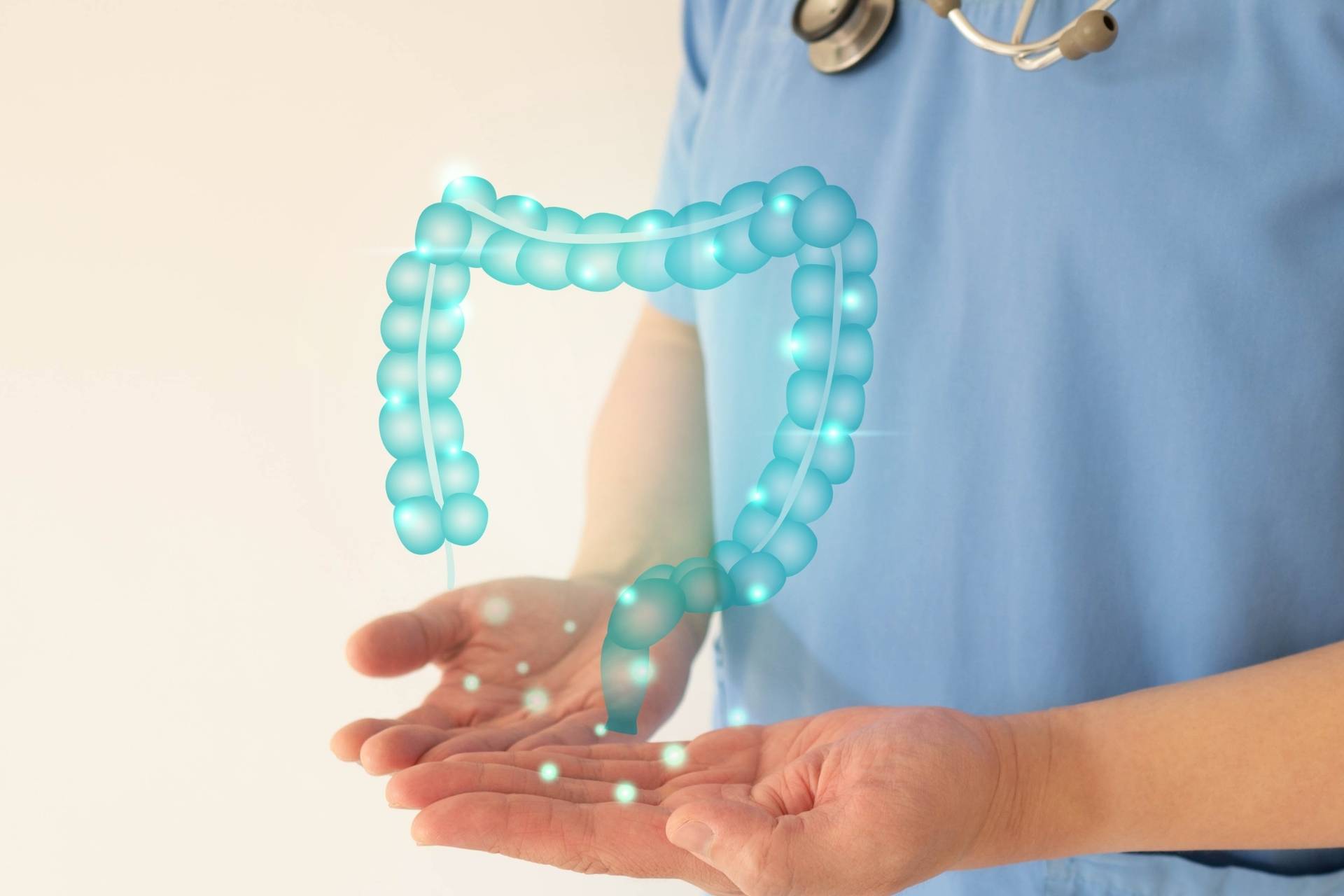
Many intestinal conditions, such as ulcerative colitis and Crohn’s disease, affect specific regions of the gut. New research now shows that the gut microbiota and their metabolites shape the regional identity and protective functions of colon cells.
The findings, published in Cell, could pave the way for microbiota-targeted therapies to prevent or reduce intestinal disease.
Recent research suggests that the composition of gut bacteria varies by intestinal region, but whether—and how—microbial signals might help shape regional differences remains poorly understood.
Jérémie Rispal at the University of California, San Francisco, and his colleagues investigated how gut microbes influence the regional identity of colon cells in mice.
Cell types
The researchers found that the colon contains three distinct types of colon cells in the beginning, middle, and end regions, each with unique gene activity and specialized functions. For example, cells at the beginning of the colon are mainly involved in fat-related metabolism, while cells in the middle and end regions are associated with mucus production and water absorption.
Removing or reducing gut microbes disrupted the normal patterns of colon cells, with regional differences becoming weaker and the colon showing a more uniform pattern of gene activity. However, when microbes were reintroduced, the regional patterns returned.
Next, the researchers grew miniature colon tissues in the lab from stem cells taken from the beginning, middle, and end of the colon. Stem cells from any region could produce most types of colon cells, suggesting that regional differences are not built into the stem cells themselves but are controlled by external signals.
Protective identity
Further experiments showed that niacin (vitamin B3), made by gut bacteria, helps cells in the beginning of the colon develop and maintain their identity. Experiments in lab-grown colon tissues and mice showed that niacin strengthens the colon’s barrier and protects against damage.
Similar patterns were seen in humans, and losing this protective identity was linked to Crohn’s disease. However, the relevance of these results to human intestinal disease are not yet fully understood, the authors say.
Regardless, they add, “these findings highlight the distinct regulatory mechanisms of the colon and small intestine, with the colon being more dependent on the microbiome, likely due to its much higher bacterial load.”
 Latest related content