
The gut microbiota plays a role in the noncommunicable diseases. Now a theory suggests that these conditions could be transmitted through the gut bacteria.
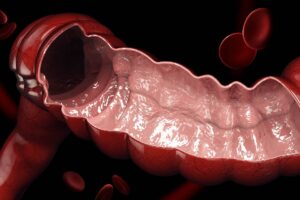
Fat feeding reduces nutrient sensitivity of specific cells in the gut and alters the gut microbiota, a study published in eLife claims.

The modulation of the microbiota impacts on the efficacy of the new anti-PD-1 cancer therapies. We discuss it with Giorgio Trinchieri (NIH, USA).
Researchers have identified oral bacterial species that are elevated in children before they develop dental caries.
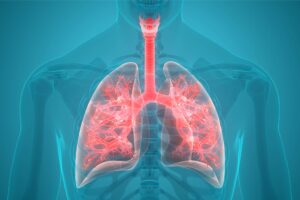
Researchers have found that lung bacteria could help to predict how well people in intensive care will respond to treatment.
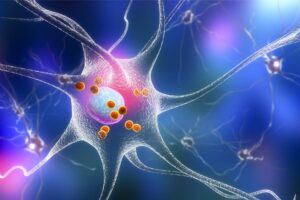
A new study published in Cell Reports suggests that a common gut microbe could slow—and even reverse—the build-up of a protein associated with Parkinson's.
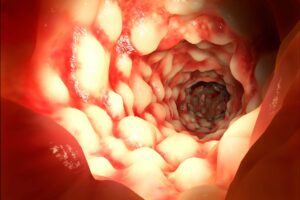
Researchers have found a class of metabolites that can shift the gut microbiota towards an IBD-like composition.
Staphylococcus epidermidis contributes to a healthy nasal microbiota, likely by stimulating the production of antimicrobial molecules in the nose.
Researchers developed an algorithm that revealed dozens of previously unknown compounds in the human gut.

Philippe Langella, Research Director at INRA, explains how Christensenella could help establish an eubiotic gut microbiota in the elderly.
The recovery of the gut microbiota after antibiotic treatment depends on the host’s diet and on environmental factors, a study published in Cell Host & Microbes claims.
Researchers have started to figure out how the gut microbiota contributes to the development of peripheral neuropathy, a common side-effect of chemotherapy.

A study in mice shows that part of maternal milk’s protective effects comes from the bacteria that reside in the mother’s gut.
Gut bacteria could be responsible for a life-threatening disease called necrotizing enterocolitis, which occurs mainly in premature babies.
A new study published in Science Translational Medicine reveals why EGFR inhibitors, which are approved to treat cancers such as lung and colorectal cancer, cause severe skin side effects.
Changes in the proportion of some gut bacteria could promote graft-versus-host disease. That’s according to a new study done in mice, published in Science.

The gut microbes of native Himalayan and Andean people could have helped them to survive at high altitudes, a new study claims.

Researchers at the Baylor College of Medicine reviewed the body of evidence that shows how added sugars and sweeteners shape the gut microbiota.
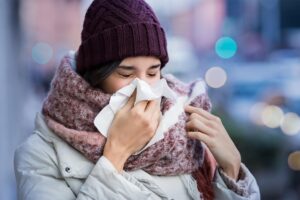
The fungi and bacteria that inhabit our nose and the areas around it change with the seasons, according to a new study published in Scientific Reports.
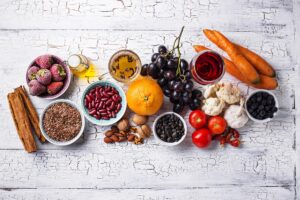
Specific gut bacteria can activate plant-derived compounds that protect against cancer, according to a study published in Nature Microbiology.