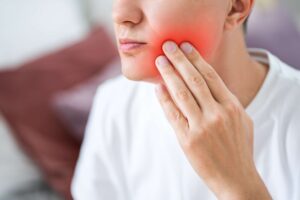
In periodontitis, helpful gum bacteria become less active while harmful bacteria change their behavior to feed on available nutrients and worsen disease, suggesting new targeted treatment approaches.

Liam O’Mahony explores how diet influences the immune system through the metabolic activity of the gut microbiota.
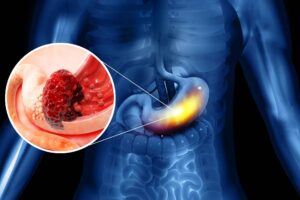
Bacterial extracellular vesicles released by L. salivarius activate immune cells, boosting the effectiveness of immunotherapy in stomach cancer.
Uncultured gut bacteria, particularly one group called CAG-170, are key contributors to a healthy microbiota.

Giulia Collattuzzo, University of Bologna, presents study findings showing an independent protective association between dietary fiber and gastric cancer risk, with consistent effects across sex, tumor location, and histological subtype.

Why Formula 1 will build the future of personalised medicine before medicine does.

Bifidobacterium longum and B. infantis are distinct species with strains adapted to local diets, highlighting the importance of developing geographically tailored infant probiotics.
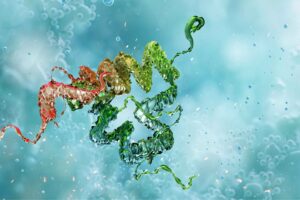
HMGB1 is a key protein that blocks bacterial adhesion and virulence, protecting intestinal cells and helping to maintain a healthy microbiota.
The fifth edition of IBS Days, a congress entirely dedicated to Irritable Bowel Syndrome, will take place in Bologna, Italy, from June 15 to 17, 2026.

Giuseppe Penna, from Humanitas University (Italy), presents the development of a novel postbiotic obtained from a single bacterial strain through an innovative fermentation process.

Giovanni Marasco, University of Bologna, discusses the growing evidence that links gut microbiota dysbiosis to the pathophysiology, clinical prognosis, disease progression, and treatment response of patients with IBD.
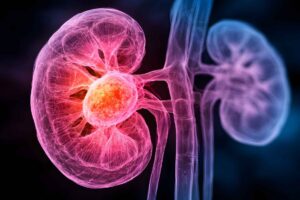
Modifying the microbiota through a fecal transplant can be safely combined with immunotherapy in people with kidney cancer.
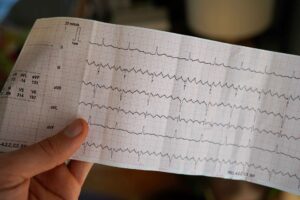
Restoring R. gnavus or supplementing isovaleric acid could be a promising microbiota–based strategy to prevent or treat atrial fibrillation.
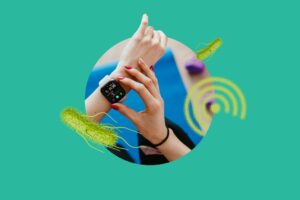
A new generation of biosensor-equipped wristbands is learning to read the chemical language of the skin microbiome in real time.

Ivana Gandolfi, International Diary Federation, describes the emerging concept of the food matrix.

Francesco Asnicar, University of Trento (Italy), explores the role of the human gut microbiome in cardiometabolic health and diet, focusing on microbial species linked to metabolic and dietary markers.
Azelaic acid travels from the gut to the lungs, where it activates immune cells to reduce inflammation and protect the lungs.

Francisco Guarner Aguilar reviewed some of the most significant probiotic-related papers published in recent years, spanning basic research, clinical trials, and population-based studies.

Emma Allen-Vercoe, from University of Guelph (Canada) focuses on the gut microbiome of the Yanomami, whose exceptionally strong cardiometabolic health has attracted growing scientific interest.

Even after long breaks, such as summer vacation, babies continued to share more microbes with former nursery peers than with children from other nurseries.