Results from a recent study suggest a correlation between the diversity and composition of the gut microbiota prior to transplantation and both the patient's survival and the probability of developing…
The findings of a recent study suggest that a mixture of B. infantis and HMOs can modulate the gut microbiota in adults.

The findings of a recent study suggest that resistant-starch supplements can alter the gut microbiota in ways that alleviate NAFLD.

Silvia Barbaresi, molecular biologist, researcher and nutritionist at Ghent Univerity, discusses how sports and physical activity in general impact on gut microbiota composition.

Microbial differences may help to identify targets that could be modulated to mitigate health inequities.
The interplay between micronutrients and the microbiome is a significant factor in determining the risk of vitamin and mineral deficiencies, which has implications for global public health.

Alessio Fasano, pediatric gastroenterologist and researcher at Harvard Medical School, discusses how celiac disease could become a model to study the link between gut microbiome and disease pathogenesis.
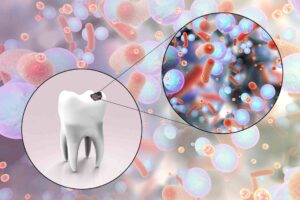
The findings suggest that lysine lactylation contributes to metabolic regulation in bacteria and that GNAT13 may limit sucrose-driven biofilm formation.
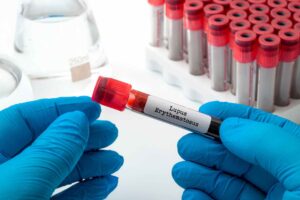
This study demonstrated fundamental mechanisms through which A. muciniphila and L. plantarum modify the gut microbiota and control immune responses in the SLE mouse model.

Gianluca Ianiro, from Gemelli Hospital in Rome, discusses the future of microbiota modulation, with a focus on Microbial Therapeutics.
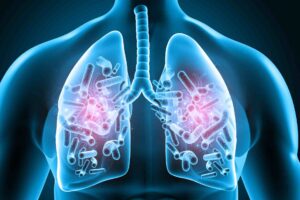
The findings suggest that the interplay between the respiratory tract microbiota, the levels of bacterial pathogens and specific clinical interventions is a key factor in determining the outcome of bacterial…
The findings of a recent study suggest that the composition of the mouth microbiota can be used to predict the recurrence of oral cancer.

Francisco Guarner, from Centro Médico Teknon (Barcelona, Spain), talks about the recent update of the WGO’s Probiotics and prebiotics guidelines.
The findings of a recent study suggest that (S)-IBD3540 is a promising approach for treating IBD in people.

The findings reveal an important mechanism through which commensal microbes influence skin’s health. The results may also help to inform treatments for people with skin conditions.
Alessio Fasano, pediatric gastroenterologist and researcher at Harvard Medical School, talks about the mechanistic link between gut microbiome and disease pathogenesis and the impact on the future clinical practice.
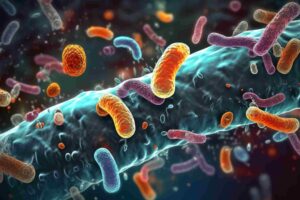
A recent study introduces a novel technique for developing next-generation probiotics, achieved by enabling strictly anaerobic bacteria to tolerate oxygen exposure without compromising their potential beneficial properties.

This study highlights the potential risks associated with the use of nanoparticles in food production and processing.
Gianluca Ianiro, from Gemelli Hospital in Rome, discusses the key determinants of success of FMT in the treatment of C. Difficile infections and other conditions.
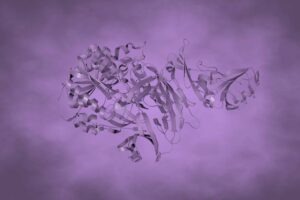
The findings suggest that Dau-d4 can supplement current DPP4 treatment approaches for type 2 diabetes.