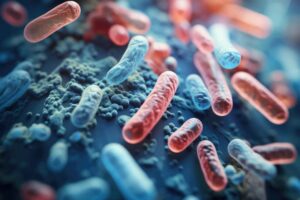
The findings of a recent study suggest that antimicrobial-resistance mutations in commensal bacteria can make the microbiota surprisingly resilient to antibiotics.

The findings of a recent study suggest that the gut microbiota contributes to alterations in the levels of metabolites associated with ulcerative colitis.

Antonio Gomes, Principal Scientist at Xbiome, talks about employing deep learning techniques to refine the prediction of natural product structures directly from gene sets.
The findings suggest that microbial metabolites can help to predict who is at increased risk of infection after liver transplant. The results may also help to inform microbiota-targeted therapies.
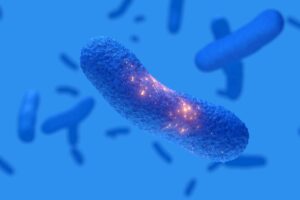
Socially transmissible microbes may influence human health and play a hidden role in social evolution.
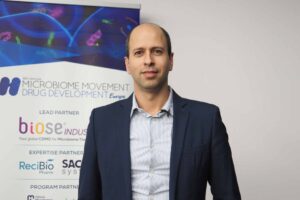
Elran Haber, CEO at Biomica Ltd, discussed the emerging role of microbiome-based treatments in cancer care.

By examining the gut-brain-microbiota axis in typical neurodevelopment, the findings could pave the way for identifying biomarkers for cognition and brain development.
The findings of a recent study shed light on why gut microbiota diversity protects against infection. The results may also inform the design of pathogen-resistant microbial communities.
The findings of a recent study suggest that the crosstalk between gut microbes and the host’s immune system can influence the body’s defenses during cancer therapy.

The findings of a recent study suggest that L. reuteri eases social difficulties in autistic children.

Johan van Hylckama Vlieg, CSO and Co-founder of Freya Biosciences, discusses the latest advancements in microbial immunotherapies for women's health.
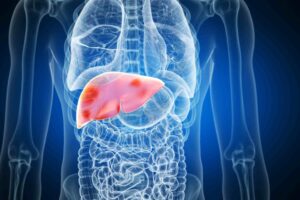
The findings of a recent study suggest that modulating the gut microbiota in people with liver cancer can improve their health outcomes after surgery.
The findings of a recent study suggest that in bacterial vaginosis, certain vaginal microbes disrupt the protective glycans on vaginal epithelial cells, altering processes that mediate cell turnover, death and…

Scientific research, Video
Sponsored by

An open discussion about the future of microbiological analysis through AI integration with Franco Pirovano (Micro srl) and Federico Pirovano (Dynius).
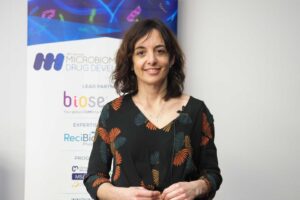
Maria Lluch Senar, Founder and Chief Scientific Officer at Pulmobiotics SL, discusses the research on engineering Live Biotherapeutics in order to expose antigens or deliver therapeutic agents to treat complex…

The findings of a recent study suggest that different factors, including maternal seeding and phage persistence in the gut, contribute to the colonization of the gut by phages.

The findings of a recent study show that specific gut microbes and their metabolites affect cognition and memory when transplanted into germ-free mice.

Shahram Lavasani, Founder & CEO at ImmuneBiotech AB, discusses the recent data about gut microbiota and Pre-eclampsia.

Although a causative relationship between obesity and gut microbes remains unclear, microbiota-based treatments may help to combat obesity.
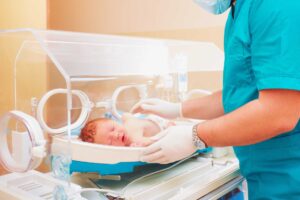
The findings of a recent study shed light on the microbiota of the main nutrition types that preterm infants receive and may inform future studies on the influence of different…