
The findings of a recent study suggest that FMT is an effective strategy to mitigate the intestinal side effects of cancer immunotherapy.

Understanding how gut microbes are linked to preclinical Alzheimer’s disease could help to identify markers of disease risk.
Jeroen Raes, from KU Leuven, Belgium, talks about the design of clinical trials for IBD patient with microbiome based therapies.
Lihi Godny, from Rabin Medical Center in Israel, talks about the next steps research has to focus in to improve the FMT efficacy for IBD patients.

A recent review highlights that changes in fear-related mental health conditions are observed when the gut microbiota is altered or removed.
Pedro Correa de Sampaio, Chief Executive Officer at Neobe Therapeutics, talks about the challenges to remove immunosuppressive constraints that prevent the infiltration of immune cells in a subset of cancers.

Anna Chwalibóg, Chief Product Officer at Integral Solutions, talks about the opportunity to develop next-generation microbiome-based therapeutics for mental health and cognitive enhancement.

The findings of a recent study suggest that targeting the interactions between MAdCAM-1 and specific receptors on the surface of immune cells may help to improve immunotherapy outcomes.

Nathalie Corvaïa, Chief Scientific Officer at MaaT Pharma, gives an overview of preclinical and clinical results for MaaT013 and MaaT033.

The findings of a recent study suggest that vaginal seeding is safe and may normalize the gut microbiota in infants born by C-section.
Microbiomepost discussed with Herbert Tilg, Medizinische Universitat Innsbruck, Austria, about the importance of gut microbiome for intestinal and not intestinal health.

Osnat Tirosh, Head of Microbiome Research & Innovation at Biomica, talks about the validation of the mechanism of action of BMC333 consortia through pre-clinical studies in IBD models.
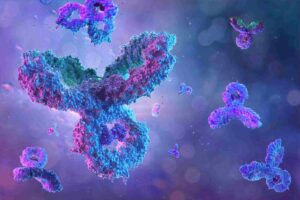
IgA can modulate the exposure and immune response to commensal microbes, and its levels determine the severity of immune dysregulation and clinical symptoms in people with IgA deficiency.

Video
Sponsored by
Christophe Roca, Head of Pilot Department at Sacco System, talks about development and GMP production of Live Biotherapeutics for all applications.
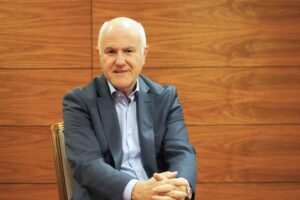
Juan Basterra, CEO at Mikrobiomik, talks about the interim results on MBK-01, the first intestinal microbiota-based biological drug in phase 3 for both primary episode and recurrence of Clostridioides dificile.
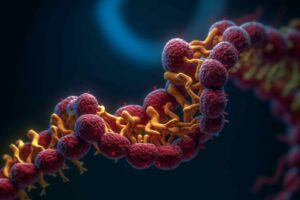
The findings of a new study suggest that the new nanomedicine approach can improve the delivery of TNF-α-siRNA in people with IBD.
Airway dysbiosis was associated with a lung function decline in COPD patients and it might contribute to this phenotype through metabolic interaction with host pathophysiological processes.

Video
Sponsored by

Nina Vinot (TargEDys International Sales Director) talks about a new promising way to isolate, study and bring to the market innovative probiotics.

Karl Alex Hedin (Technical University of Denmark) talks about the potential role of genetically engineering Saccharomyces boulardii to produce an anti-obesity peptide.

A recent study poses the basis for the use of microbiome profile in AF risk prediction.