
Giovanni Barbara, congress chair, explain why it is important to be part of IBS Days 2024.

A recent study indicates that the abfA cluster might be used as therapeutic target for constipation in humans.

The findings of a recent study may inform new approaches to treat Crohn’s disease by targeting disease-causing microbes in the gut.
The findings of a recent study suggest that mycobiota changes during a SARS-CoV-2 infection could contribute to inflammation associated with severe COVID.
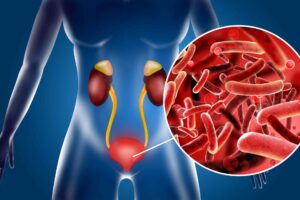
The findings of a recent study indicate that effective treatments for recurrent UTIs may require the ability to penetrate human tissues.

Alessio Fasano gives an overview of the IHMC Congress to be held in Rome, 22-25 June.
Focusing on restoring microbial cross-feeding interactions emerges as a promising mechanism-informed strategy to reconstruct a healthy gut ecosystem.

The findings of a recent study indicate that antibodies to gut microbes could help identify who may benefit from teplizumab.

The findings of a recent study suggest that the conversion of dietary fiber or lactate to SCFAs influences comorbidity risk associated with HIV.

The findings of a recent study suggest that fecal microbiota transplants reduce colonization with multidrug-resistant organisms in people who received kidney transplants.
The findings of a recent study suggest that antibiotics should be prescribed with caution in cancer patients who are planning to receive PD-1 inhibitors.

By suggesting that the bacteria detected in the brain after severe pneumonia originate from the lungs, the findings shed light onto the mechanisms of pneumonia-induced neurological conditions.
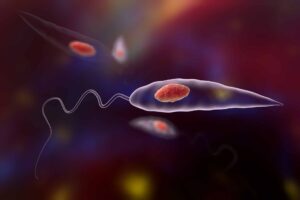
The findings of a recent study may inform new therapies to modulate the skin microbiota in people with leishmaniasis.
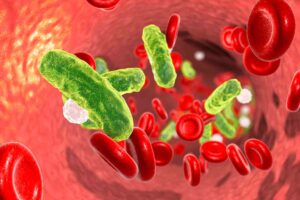
The findings of a recent study link the gut microbiota and the microorganisms responsible for bloodstream infection in critically ill patients.
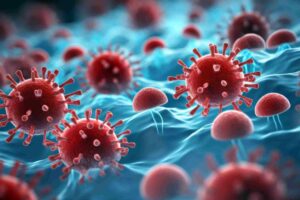
The findings of a recent study suggest that, during SARS-CoV-2 infection, some bacteria in the upper airways’ microbiota may be associated with a person’s disease progression to intubation.
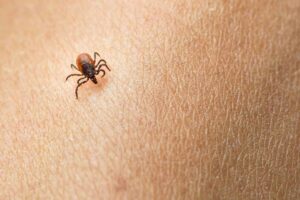
The findings of a recent stydy suggest that the skin microbiota triggers a rapid immune response of resident skin cells at the onset of Borrelia infection.

The findings of a recent study suggest that the microbiota-derived metabolite phenyllactic acid can prevent antibiotic-associated obesity in early life.
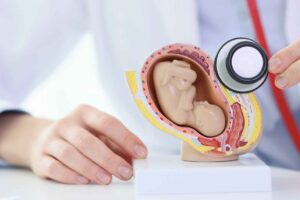
The findings of a recent study suggest that a mother’s gut microbiota influences fetal health by promoting placental growth and vascularization.

The findings of a recent study suggest that the interplay between the microbiota, the gut and the brain drives binge-eating disorders.
A recent study analyzed microbial colonization in people with RAG deficiency to shed light on the effects of secondary immunodeficiencies.