
Researchers have found that several strains of bacteria, including the pathogen Staphylococcus aureus, can influence the healing of diabetic foot ulcers.

Richard Ellis, Head of Business Development at Biose, explains how CDMO companies assist start-ups in bringing live biotherapeutic products to the market.
Intestinal microbiota might be linked to neurodevelopment in early childhood, a new study published in JAMA Network Open finds.
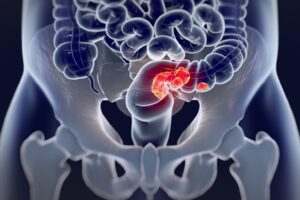
Researchers from the University of Trento have found that specific changes in gut microbiota composition are associated with colorectal cancer.

What characteristics will the probiotics of the future have? We asked Antonio Gasbarrini, director of CEMAD at the Policlinico Gemelli.

Social contacts shape the composition of the human microbiota. That’s according to a study by Ilana Brito of Cornell University in Ithaca, New York, et al.
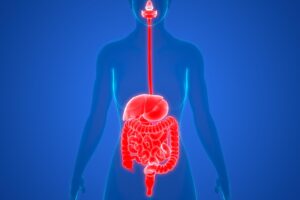
Scientists have found that even in healthy people, many mouth microbes are able to reach the gut and colonize it. The study was published in the journal eLife.

Travis Whitfill, Co-Founder and CSO of Azitra, explains how Staphylococcus epidermidis-based products may treat various skin conditions and diseases.
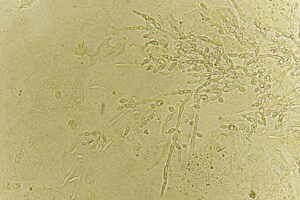
A common fungus found on skin may worsen symptoms of IBD in people with a particular genetic make-up, scientists report in Cell Host and Microbe.
At weaning, changes in the gut microbiota trigger an immune reaction that is important for preventing allergies and other inflammatory diseases later in life.