
Scientists have traced how the interplay of different species of Staphylococcus bacteria on the skin could influence the severity of skin eczema.
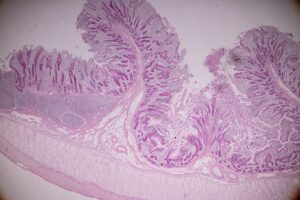
Researchers at the University of Michigan developed a mouse model that recapitulates many hallmarks of gut inflammation seen in people with Crohn’s disease.
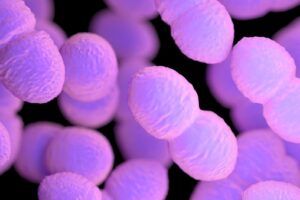
Researchers have figured out how specific strains of Enterococcus faecalis became a deadly pathogen, causing a series of deadly infections in the mid 1980s.

Researchers have found that several strains of bacteria, including the pathogen Staphylococcus aureus, can influence the healing of diabetic foot ulcers.
Intestinal microbiota might be linked to neurodevelopment in early childhood, a new study published in JAMA Network Open finds.

Social contacts shape the composition of the human microbiota. That’s according to a study by Ilana Brito of Cornell University in Ithaca, New York, et al.
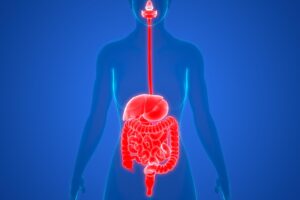
Scientists have found that even in healthy people, many mouth microbes are able to reach the gut and colonize it. The study was published in the journal eLife.
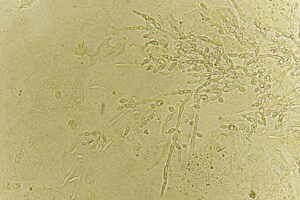
A common fungus found on skin may worsen symptoms of IBD in people with a particular genetic make-up, scientists report in Cell Host and Microbe.
At weaning, changes in the gut microbiota trigger an immune reaction that is important for preventing allergies and other inflammatory diseases later in life.
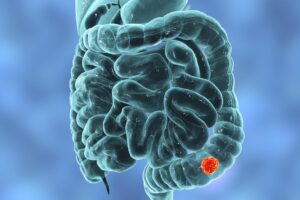
Scientists may have just figured out how colibactin, a DNA-damaging molecule produced by certain strains of E. coli, contributes to colorectal cancer.