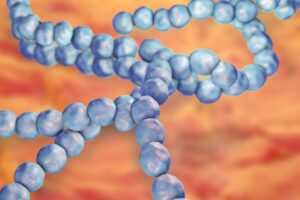
S. mutans produces tryglysin to inhibit the growth of competing species, including other streptococci that could cause opportunistic infection.
The manipulation of microbiota could improve the outcomes of infections in the respiratory tract cause by opportunistic pathogens.
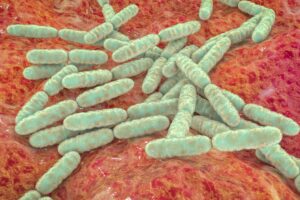
Gut microbes contribute to symptoms associated with neurological conditions. New microbe-inspired therapies could be develop to treat such conditions.
Some gut microbial metabolites boost the efficacy of antitumor drugs by regulating the body’s immune response and could be used as a part of cancer therapy.

Executive Director George Paraskevakos presents the role of the International Probiotics Association (IPA) at this year’s Probiotics, Prebiotics & New Foods conference, to be held in September in Rome.
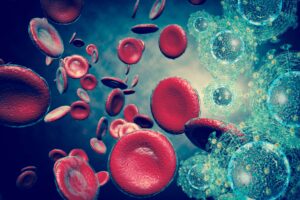
Microbial transplants could be used as a non-invasive and safe strategy to manipulate the gut microbiota, which has been linked to HIV infection.
Common gut fungi called Debaryomyces hansenii can influence the severity of Crohn’s disease and other inflammatory bowel diseases.

Microbial and fungal communities interactions shape the gut microbiota in preterm babies. The findings could help to develop microbiota interventions.

The alterations in gut microbial composition could play a role in the gastrointestinal complications associated with Parkinson’s disease.

A bacterial strain, called Staphylococcus hominis A9, inhibited the expression of a S. aureus toxin that promotes inflammation in atopic dermatitis.

The gut microbiota make-up could determine whether a person will benefit from the beneficial effects of the Mediterranean diet.
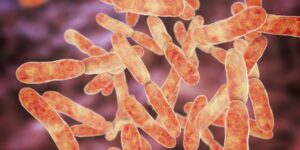
Probiotics such as Lactobacillus and Bifidobacterium can activate a person’s immune system and improve the response to some anti-cancer therapies.
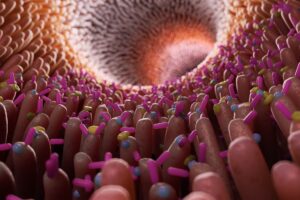
The way gut bacteria increase their access to nutrients by adhering to food particles, could advance the development of microbiota-based diagnostics.
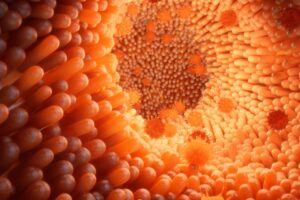
The Gut Phage Database, within more than 140,000 viral species, is a blueprint to guide ecological and evolutionary analysis in future virome studies.

Microbiota changes in advanced age may not simply be diagnostic of healthy aging, but they could also contribute to health as people become older.
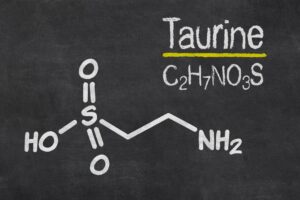
Intestinal infections ‘train’ the gut microbiota to produce taurine, which promotes the growth of protective gut bacteria.

A new study published in Science Advances suggest that the gut microbiota should be considered when studying the regulation of maternal behavior.

Franco Vicariotto, MD, presents the session “Women Microbiome: a Different Way to Feel Healthy” of the Probiotics, Prebiotics & New Foods 2021 conference, which will be held in Rome in…
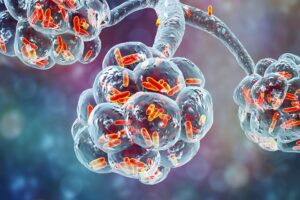
A better understanding of the distribution and composition of airway microbiota could help to protect people against pneumonia.
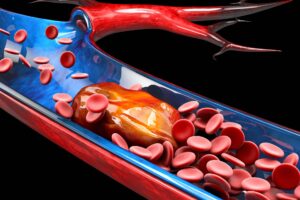
New therapeutic strategies that rely on TLR4 inhibition can counteract the formation of coronary clots in people with cardiovascular disease.