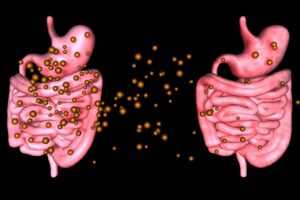
The findings of a new research could help to optimize fecal microbiota transplantation (FMT) protocols and identify the most suitable donors for transplantation.
New research indicates that recurrent urinary tract infections and estrogen can shape the urogenital microbiota in ways that may protect against recurrent infections.
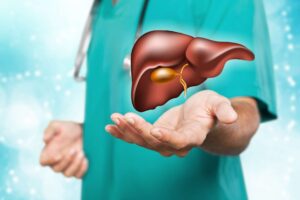
Faecal microbiota transplant appears to effectively improve both clinical parameters and bacterial balance in the liver, especially in thin individuals.
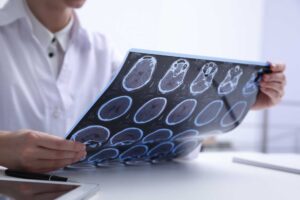
The findings of a new research shed light on the mechanisms by which gut bacteria influence the development and progression of multiple sclerosis.

The findings of a new research suggest that combining Lachnospiraceae antibody screening with blood tests could improve the diagnosis of ME/CFS.

Chris Callewaert (Research Foundation Flanders - FWO) discussed the research he conducted on the effect of pollutants on skin microbiome and micobiome.

The findings of a new study suggest that the interplay between diet, microbiota and intestinal immunity regulates obesity, diabetes and other metabolic conditions.
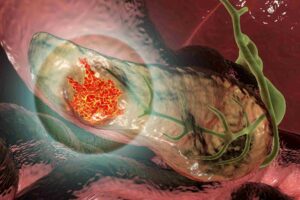
A gut microbial metabolite called trimethylamine N-oxide, or TMAO, could improve immunotherapy success in pancreatic cancer.

The findings of a new research suggest that microbiota-based therapies can help improve clinical outcomes after organ transplants.
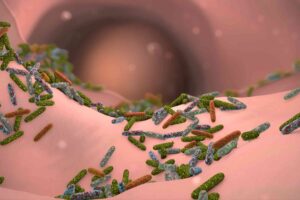
Researchers have developed a new technique that can identify which gut microbes have migrated from the gut to the blood.
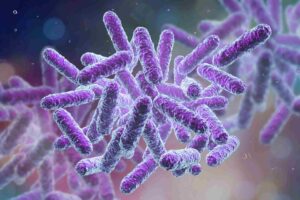
A recent study shows that some bacterial strains are similar to the human host phylogeny, suggesting that they evolved alongside humans.
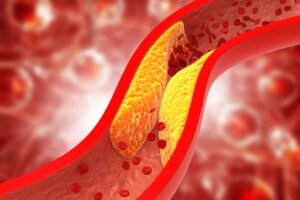
The findings of a new study suggest that Bacteroides can metabolize cholesterol, thus helping to regulate its levels in the blood.

Together with Prof. Ted Dinan (UCC Ireland), in this episode we discuss the link between gut, insomnia and anxiety.

Sam Costello (The Queen Elizabeth Hospital in Adelaide) presented recent evidences about FMT and IBDs.
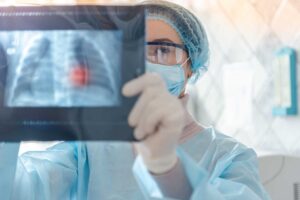
COVID-19 alters the local immunity of the lung in ways that weaken the body’s antimicrobial defense and facilitate the development of secondary infections.
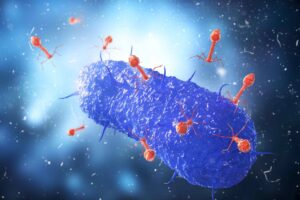
The findings of a recent study suggest that phages can be used to treat IBD and other diseases associated with gut microbes.
Ghaith Bakdash described how Microbiotica discovered a specific microbiome signature in patients responder to immune-oncology drugs such as anti-PD1 / PDL1 and developed a new bacterial consortium.
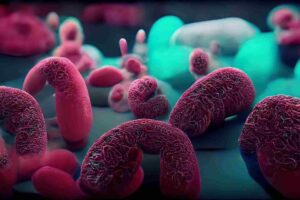
The findings of a recent study suggest that engineered native gut bacteria could be employed to help treat certain diseases such as diabetes.

A recent study suggests that the microbiome changes in response to human consumption of non-nutritive sweetener may induce glycemic changes in consumers in a personalized manner.

Sarah Lebeer (Research professor, University of Antwerp) described how she and her colleagues developed a new probiotic topic formulation to treat Acne.