
The findings of a new study indicate that gut commensals may contribute to obesity through the overproduction of microbe-derived lipids.

The findings of a new study suggest that biomarkers such as the gut microbiota composition may help develop diagnostics and therapeutic approaches for gestational diabetes.
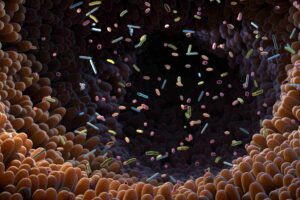
The immune system tolerates flagellins of commensal bacteria while mounting an immune response against flagellins produced by pathogens.

We ask ChatGPT some of the most pressing questions about the microbiome research.
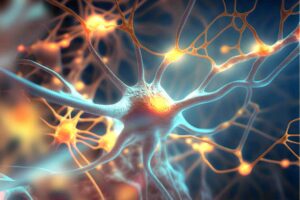
The findings may inform strategies to modulate the gut microbiota as a way to prevent or treat neurodegeneration.
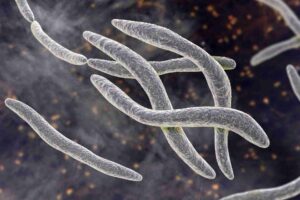
Vaccines against F. nucleatum and other onco-microbes may help prevent diseases such as colorectal cancer.
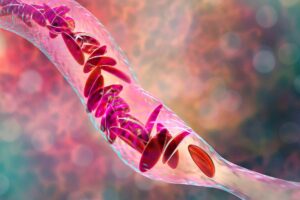
The findings of a recent study suggest that the availability of iron can reshape the composition of the gut microbiota in irreversible ways.
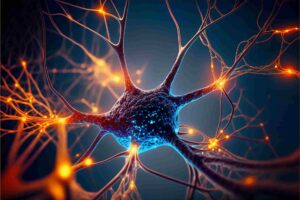
The findings of a recent study suggest that the microbiota can promote neuronal repair after tissue damage.

The findings of a recent study may inform dietary interventions to help protect people against type 1 diabetes and other autoimmune diseases.
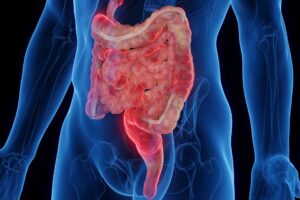
The findings of a recent study advance our understanding of bacterial dysbiosis in Crohn’s disease and may inform new therapeutic strategies.

The findings of a recent study tie the gut microbiota to immune surveillance of ovarian cancer and may inform new treatment approaches.

A mother’s microbiota may shape the infant gut microbiota through horizontal gene transfer, in addition to the classical transmission of maternal bacteria to the infant’s gut.

The findings of a recent study suggest that signals derived from the gut can boost the motivation to exercise.
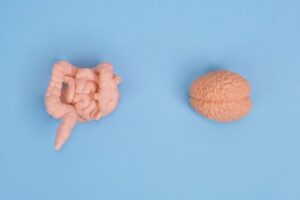
A recent study suggests that the blood-cerebrospinal fluid barrier is another barrier along the gut-brain axis that is likely influenced by the gut microbiota.

A recent study suggests that people who spend time together share similar gut microbiotas — with some microbes being largely transmitted between friends and relatives.
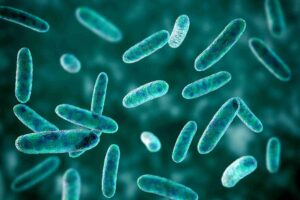
The imaging approach can provide insights into the relationship between mice and their microbiota. It can also offer a glimpse of the cell wall turnover of gut bacteria in living…
A recent study suggests that SCFA production is associated with a restoration of intestinal homeostasis and sustained remission in CD patients.

The findings of a new research suggest that a mother’s diet during nursing influences her offspring’s microbiota composition, gut health and predisposition to become obese.

The findings of a new research suggest that the gut microbiota can influence binge-eating of sweet foods.
The findings of a new research suggest that dietary and antibacterial strategies may help to prevent neutropenia-related fever after cancer therapy.