
Francisco Guarner, from Centro Médico Teknon in Barcelona, discusses the role of probiotics in the prevention of antibiotic-associated diarrhea.

Monitoring shifts in microbial interaction networks could help to detect and track gut-related conditions.

Amine Zorgani explains how SwipeBiome moves beyond traditional stool testing toward real-time microbiome prediction based on patient metadata.

Liam O’Mahony explores how diet influences the immune system through the metabolic activity of the gut microbiota.
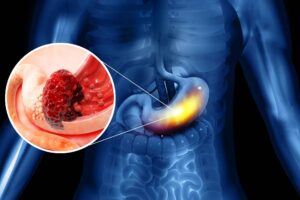
Bacterial extracellular vesicles released by L. salivarius activate immune cells, boosting the effectiveness of immunotherapy in stomach cancer.
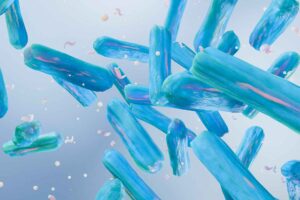
Uncultured gut bacteria, particularly one group called CAG-170, are key contributors to a healthy microbiota.
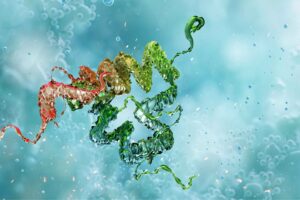
HMGB1 is a key protein that blocks bacterial adhesion and virulence, protecting intestinal cells and helping to maintain a healthy microbiota.

Giuseppe Penna, from Humanitas University (Italy), presents the development of a novel postbiotic obtained from a single bacterial strain through an innovative fermentation process.

Giovanni Marasco, University of Bologna, discusses the growing evidence that links gut microbiota dysbiosis to the pathophysiology, clinical prognosis, disease progression, and treatment response of patients with IBD.
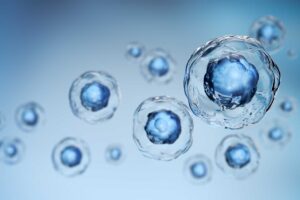
E. coli 541-15 helps the colon recruit key immune cells that can develop into macrophages.