
UCLA’s Lisa Chang explores differences in bowel habits, intestinal transit and pain, discussing how these factors relate to microbial composition and function.

Lukas Michaja Balsiger, KU Leuven, discusses findings linking upper abdominal bloating more closely to functional dyspepsia and lower abdominal bloating to irritable bowel syndrome (IBS).
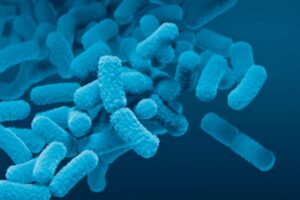
Industry, Gastroenterology
Sponsored by

Humiome® B2 uses a patented coating technology intended to transport riboflavin through the upper gastrointestinal tract and release most of it in the ileal-colonic region.

William Fusco, Policlinico Gemelli, discusses the gut fermentation syndrome, a rare condition arising when ethanol-producing bacteria or fungi in the gut generate excessive amounts of alcohol from dietary carbohydrates.
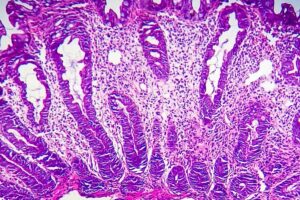
Monitoring or reshaping the gut microbiota after adenoma removal could become part of future strategies to reduce colorectal cancer risk.

Guy Boeckxstaens of KU Leuven explains how mast cells may alter pain signalling through IgE dependent responses to food antigens and activation of the MRGPRX2 receptor.

Nathalie Vergnolle (Inserm, France) discussed the potential role of proteases in altering the intestinal mucus layer in irritable bowel syndrome (IBS).
William Fusco, gastroenterologist at Gemelli University Hospital in Rome, discusses the role of peppermint oil in the management of disorders of gut–brain interaction.
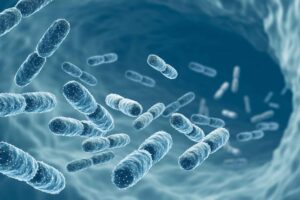
Microbial communities may be engineered at the protein-expression level because bacteria adjust their protein production in response to specific neighbors.

Maria Rescigno presents a preclinical study investigating a non-absorbable antibiotic with eubiotic properties in a mouse model of gastrointestinal toxicity induced by the chemotherapeutic agent 5-fluorouracil (5-FU).