
Researchers at UCC Ireland reviewed current knowledge on the microbiota-gut-brain relationship. Their work is published in Cell Metabolism.

Researchers have found that smoking e-cigarettes changes the community of microbes living in the mouth, making users prone to inflammation and infection.

A study in mice suggests that short-term intermittent fasting alters the gut microbiota, alleviating the cognitive deficits associated with diabetes.

A study published in Science suggests that a mother's gut microbes shape the metabolism of offspring, conferring resistance to obesity.
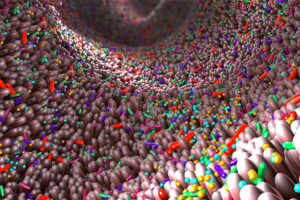
In two articles published in Cell Host & Microbe, scientists discuss some areas of FMT research that could help to develop safe and effective FMT therapies.

A new study, published in Nature Microbiology, sheds light on how gut microbes influence the equilibrium of the gut under healthy and disease conditions.

A new study helps to explain how nerve cells sense the microbes in the gut and how they coordinate their function with other tissues in the digestive tract.

A new study could inspire the use of dietary fibers to manipulate the gut microbiota and its functions, with beneficial effects for health.

A new study published in Nature Microbiology shows that the risk of colonization with C. difficile is highest during recovery from acute diarrhea.

A study suggests that the effects of dietary interventions during pregnancy are mediated by different factors, including the infant airway microbiota.