Diets high in fat and sugar cause colon inflammation by disrupting the gut microbiota. A study published in Science Translational Medicine claims.
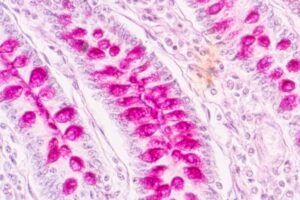
A diet rich in tryptophan shifted the microbiota composition to produce more molecules that are able to reduce gluten-related inflammation..
The alcohol use disorder can induce changes in the gut microbiota. The administration of prebiotics could decrease the risk of relapse in alcohol addiction.
A new study, pubblished in Current Biology, claims that understanding Faecalibacterium diversity could help to choose strains suitable as probiotics.
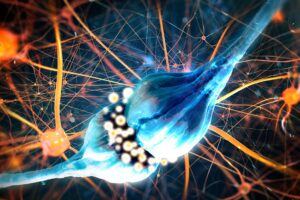
A new study, published in Cell Metabolism, suggests that targeting the gut microbiota could help to treat memory impairment, in particular in obese people.
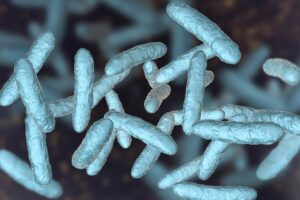
Some studies have underlined some differences in the gut microbial composition of people with anorexia and healthy individuals.
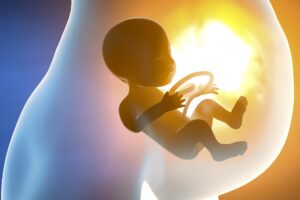
A new study published in Nature claims that specific bacteria that live in a mother’s gut produce molecules that influence the wiring of the fetal brain.
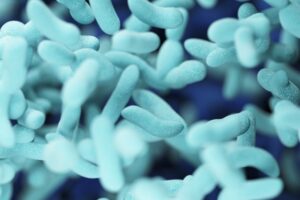
In a Perspective published in Science, surgeon-scientist Jennifer Wargo explores recent advances in modulating the microbial community within the human gut.
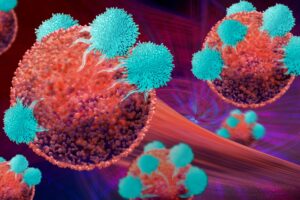
A new study published in Science claims that some gut microbes produce a metabolite that boosts the effect of a class of cancer drugs.

A new study published in Cell suggests that the gut microbiota of infants born by C-section can be restored by transferring fecal microbiota from their mothers.