
To examine the link between autism and gut microbes, researchers led by Anne Konkle at the University of Ottawa analyzed the recent scientific literature.
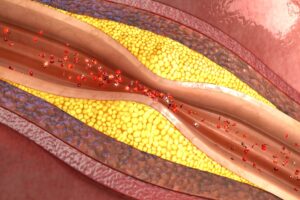
Researchers have developed molecules that remodel the gut microbiota to a healthier state, reducing cholesterol levels and inhibiting atherosclerosis.
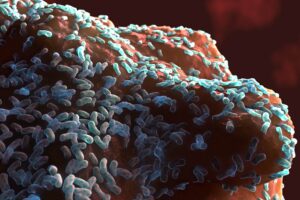
Researchers have developed an approach that uses bacterial biofilms to increase the ability of the gut microbiota to survive and reside in the gastrointestinal tract.
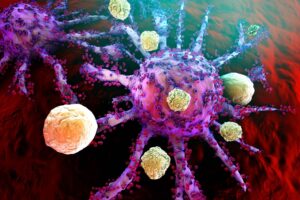
Researchers have found that the gut microbiota and the death of intestinal cells caused by chemotherapy can enhance the immune response of people with colon cancer.
Researchers have found that the community of bacteria in a person’s gut can alter how well they metabolize drugs.
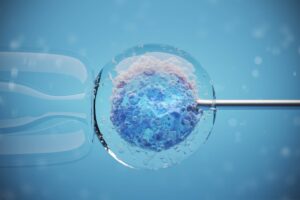
Researchers have found that alterations of the vaginal microbiota are associated with the success of in-vitro fertilization.
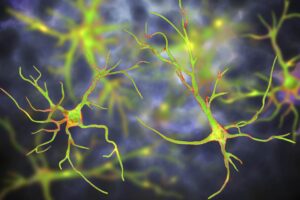
In mice with a genetic mutation linked to ALS, altering the gut microbiota could prevent or improve disease symptoms, a study published in Nature has found.
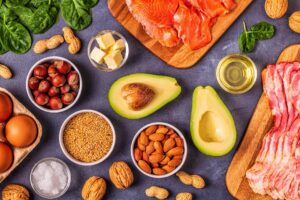
A new study, published in Cell, suggests that ketogenic diets could be used as a therapy for autoimmune disorders of the gut.

Fermented foods such as yoghurt and cheese could be a source of health-promoting bacteria, according to a new study.
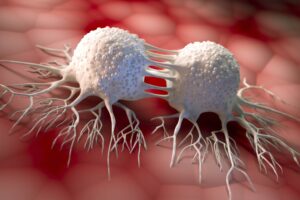
Researchers have created a catalog of the bacteria associated with all the cancer types. The findings could help to enhance the actions of anticancer drugs.