
The findings of a recent study may help to develop diagnostic or therapeutic approaches to reduce bacterial bloodstream infections in newborns.

An altered metasystem linking the gut microbiota and systemic immune response could lead to impaired host defense and increased vulnerability to hospital-acquired infections in cases of severe illness.

Diet-induced changes in the gut microbiota confer protection against respiratory infections by regulating the development of key components of the immune system.

Microbiomepost discussed with Vanessa Harris during the MicrobiotaMI congress 2023 about viral interaction with gut microbiome.

Lactobacillus plantarum P 17630 has obtained marketing authorization from the health authorities of the first group of EU states for the topical vaginal drug in soft and hard capsules.
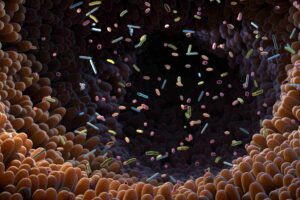
The immune system tolerates flagellins of commensal bacteria while mounting an immune response against flagellins produced by pathogens.
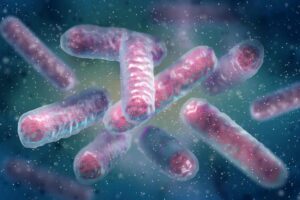
The findings of a new research suggest that obesity-induced changes in the vaginal microbiota can affect the immune responses against viral infection.

Microbiota alterations in COVID-19 patients appeared to be associated with secondary infections of the blood by gut bacteria: four cases of positive blood cultures of Staphylococcus species were identified.

Moraxella may be involved in protecting children from COVID-19 infections through its action on amino acid and lipid metabolism in the upper respiratory tract.

New research indicates that recurrent urinary tract infections and estrogen can shape the urogenital microbiota in ways that may protect against recurrent infections.