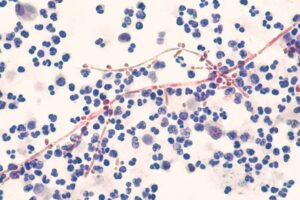
Microbiota-targeted approaches that boost specific SCFAs could help prevent harmful Candida overgrowth in vulnerable people.
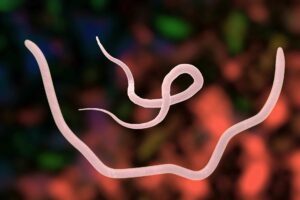
Microbiota-derived molecules such as IPA may offer a way to strengthen early-life immunity against respiratory viruses.

Sangeribacter muris KT1-3 made sepsis deadlier by amplifying inflammation driven by TLR4.

Bacteria such as Enterococcus faecium and Limosilactobacillus reuteri are key in activating an immune receptor that boosts the activity of protective immune cells.
Azelaic acid travels from the gut to the lungs, where it activates immune cells to reduce inflammation and protect the lungs.

Prof. Flavia Indrio reflects on the main take-home messages from the congress, which brought together 32 leading international experts in microbiota research, allergy, nutrition, gut-brain axis and lung disease.

Paul Wilmes, University of Luxembourg, explores the concept of infective competence within a One Health framework.

VOS, an FDA-approved oral microbiota therapy, has been shown to reduce infection risk compared to traditional fecal transplants.
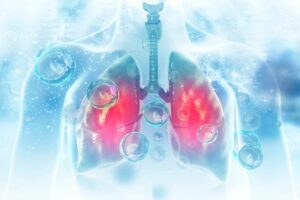
Segmented filamentous bacteria, or SFB, protect mice from these deadly infections by reprogramming specific immune cells in the lungs.

Dietary protein influences V. cholerae growth, metabolism, virulence, and competition with gut microbes.