Giuseppe Penna, from Humanitas University (Italy), presents the development of a novel postbiotic obtained from a single bacterial strain through an innovative fermentation process.

Giovanni Marasco, University of Bologna, discusses the growing evidence that links gut microbiota dysbiosis to the pathophysiology, clinical prognosis, disease progression, and treatment response of patients with IBD.
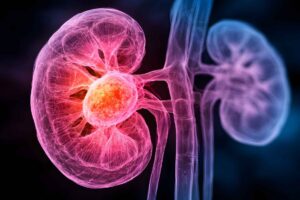
Modifying the microbiota through a fecal transplant can be safely combined with immunotherapy in people with kidney cancer.
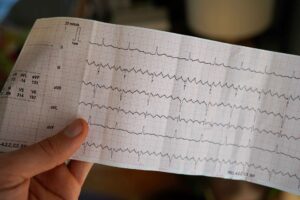
Restoring R. gnavus or supplementing isovaleric acid could be a promising microbiota–based strategy to prevent or treat atrial fibrillation.

Ivana Gandolfi, International Diary Federation, describes the emerging concept of the food matrix.

Francesco Asnicar, University of Trento (Italy), explores the role of the human gut microbiome in cardiometabolic health and diet, focusing on microbial species linked to metabolic and dietary markers.
Azelaic acid travels from the gut to the lungs, where it activates immune cells to reduce inflammation and protect the lungs.

Emma Allen-Vercoe, from University of Guelph (Canada) focuses on the gut microbiome of the Yanomami, whose exceptionally strong cardiometabolic health has attracted growing scientific interest.

Even after long breaks, such as summer vacation, babies continued to share more microbes with former nursery peers than with children from other nurseries.
A longitudinal study aims to explore the trajectories of MCBAs in relation to islet autoimmunity and type 1 diabetes of children.