
A recent study suggests that the microbiome changes in response to human consumption of non-nutritive sweetener may induce glycemic changes in consumers in a personalized manner.

The intestinal microflora of infants should contain a high proportion of Bifidobacteria during their first year of life to be well preserved and balanced
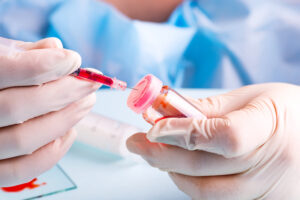
Company Presents Data at ESMO Congress Showing Link Between Gut Bacteria and Early Colorectal Cancer Detection

Antimicrobial resistant bacteria are present in newborns after just a few hours of life and they help to understand the routes of transmission of antibiotic-resistance genes.
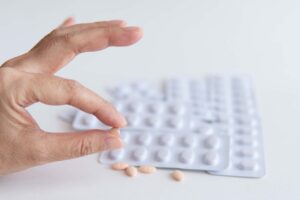
The findings of a new research suggest that different responses to statins can be explained by the variation in the human microbiota.
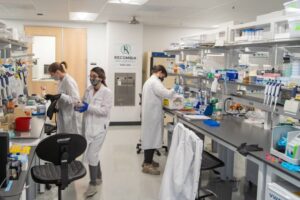
The acquisition is the culmination of a strategic partnership initiated in 2020 to accelerate the development of yeasts for sustainable production of fermented ingredients.
Digbi Health is enrolled in Novo Nordisk's Global Prevention Accelerator Program for the prevention of obesity and related cardiometabolic conditions.

The findings of a new research illuminate the link between IBS and gut bacteria, and suggest that histamine is a good target for therapies against the condition.

The findings of a new research suggest that during the early maturation, the microbiota would be more likely to be influenced by other microbiotas on a not-too-distant level of maturity.
AcuraBio is a globally focussed organization bringing innovative therapeutics to market for customers in the biotech, pharmaceutical, and animal health industries.