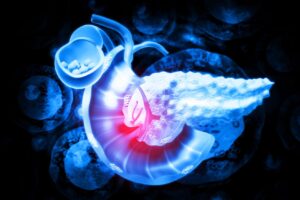
The tumor microbiota could influence the pancreatic cancer survival, the 1st report to explore the effect of tumor bacteria on clinical outcomes claims.
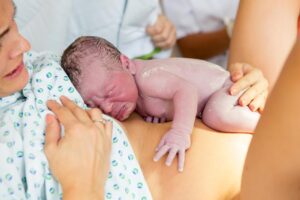
Antibiotics given to mothers during childbirth could alter the infants’ gut microbiota, a new study published in Scientific Reports finds.
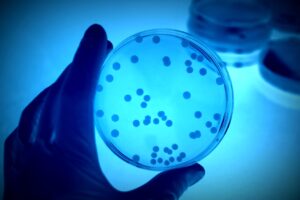
The gut microbiota could influence our health by producing metabolites that interact with human receptors, a study published in Cell Host & Microbe claims.
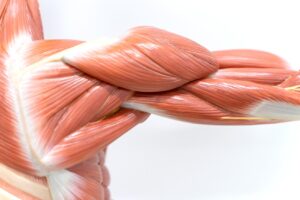
According to a recent study published in Science Translational Medicine, the gut microbiota may influence the development of muscle mass.
People with obesity-related conditions may benefit from supplements of the gut commensal Akkermansia muciniphila, a recent study suggests.

A microbial compound could increase the risk of asthma in children. A study identified the mechanisms that link the microbiota to allergies.
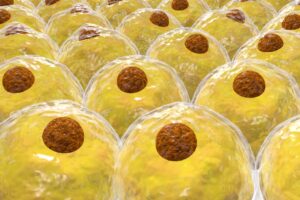
A high-fat diet induces reproducible changes in the gut microbiota, a meta-analysis published in Cell Host & Microbe revealed.

A swim in the ocean could change the microbiota on our skin, increasing the likelihood of infection, researchers have found.
Beneficial gut microbes may prevent and reverse food allergies, a study published in Nature Medicine finds.
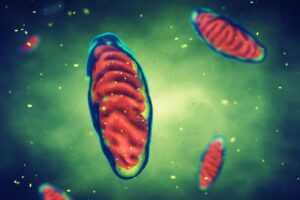
Mutations in the DNA of mitochondria influence both the gut microbiota and the diseases linked to it, a study published in Science Signaling claims.