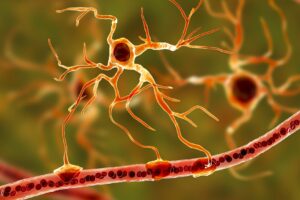
A new study, published in Nature, shows a functional link between the gut microbiota and amyotrophic lateral sclerosis (ASL).
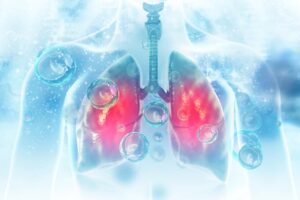
The gut microbiota help to maintain a first line of defense against influenza, while antibiotics can leave the lungs vulnerable, a new study claims.
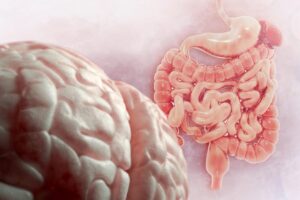
Scientists at KU Leuven summarized existing data on how SCFAs regulate the gut–brain axis, including the impact on the immune, endocrine and neural systems.

Intestinal microbiota could be a therapeutic target for preventing and managing tolerance to opioids.
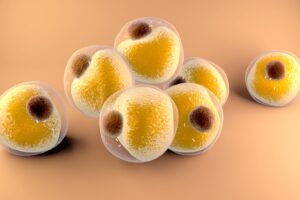
According to a study published in Science Translational Medicine, the gut microbiota could regulate fat tissue and therefore play a key role in obesity.
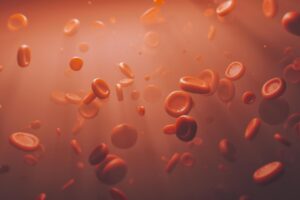
Two enzymes produced by gut microbiota can convert the blood type A into 0. The findings may improve the capacity of blood banks.

"MIBIOC - The way of the microbiota in cancer" - IRCCS National Cancer Institute, Milan, 21-22th November 2019.

Specific gut bacteria break down levodopa, which is used to treat Parkinson’s. This could lead to the development of new levodopa therapies.
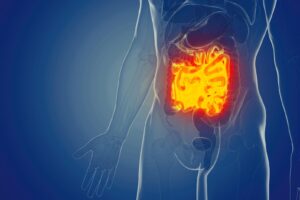
IBD: a study, published in Nature, for the first time analyzed the chemical and molecular events that disrupt the gut microbiota during flare-ups.

A study published in Cell provides further support to the idea that the microbes found in the gut of people with autism could have a role in their symptoms.