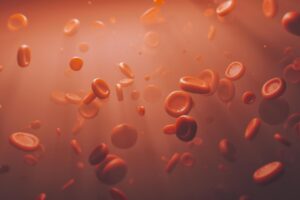
Two enzymes produced by gut microbiota can convert the blood type A into 0. The findings may improve the capacity of blood banks.

Specific gut bacteria break down levodopa, which is used to treat Parkinson’s. This could lead to the development of new levodopa therapies.
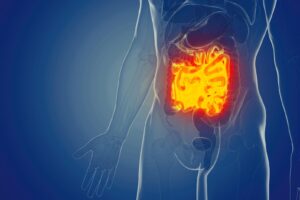
IBD: a study, published in Nature, for the first time analyzed the chemical and molecular events that disrupt the gut microbiota during flare-ups.

A study published in Cell provides further support to the idea that the microbes found in the gut of people with autism could have a role in their symptoms.

The gut microbiota could determine how we respond to drugs. The findings, published in Nature, could lead to ways of making medications work better.
Modulating the gut microbiota may help to ease anxiety, according to a study published in General Psychiatry.
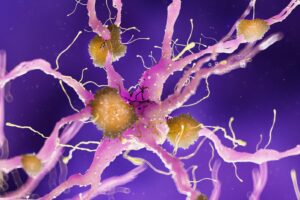
According to a new study published in The Journal of Experimental Medicine, antibiotic treatment reduces Alzheimer’s disease symptoms.
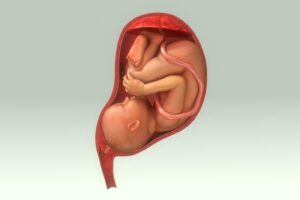
Obesity could affect pregnancy, researchers say. A new study may shed light on the link between maternal obesity and metabolic conditions in the progeny.

According to a study published in Cell Host & Microbe, a skin protein that protects skin from infections needs vitamin A to work.
According to a recent study, the gut microbiota could determine remittance or pro-inflammatory conditions in multiple sclerosis.